

 By Equipo PAT
Cusco sits at 3,399 m. Many people fly in from sea level and go from 0 to 3,400 m in an hour and a half — a jump the body notices. Altitude sickness, or soroche, doesn’t depend on fitness: it hits a marathon runner the same as someone sedentary.
What it feels like
Headache, shortness of breath when climbing stairs, light sleep, some nausea and less appetite. It usually appears between 6 and 12 hours after arriving and eases only after a couple of days.
The first 48 hours
- Arrive and rest. Don’t schedule anything demanding for arrival day. No trekking, no walking up to Sacsayhuamán on the first afternoon.
- Drink plenty of water. The dry mountain air dehydrates more than it seems.
- Eat light. Soups, carbohydrates, little fat. The stomach works worse up high.
- No alcohol on the first day. It’s the most repeated mistake: a beer at 3,400 m doesn’t feel the same as at sea level.
- Coca or muña tea. It helps with mild discomfort. It’s not a treatment, but it feels good.
The trick almost nobody uses: sleep lower
The Sacred Valley sits between 2,800 and 2,900 m, about 500 m below Cusco. Starting the trip with two nights in Urubamba or Ollantaytambo and climbing to Cusco afterwards is the most comfortable way to acclimatize. If your itinerary allows it, change it.
Climb progressively
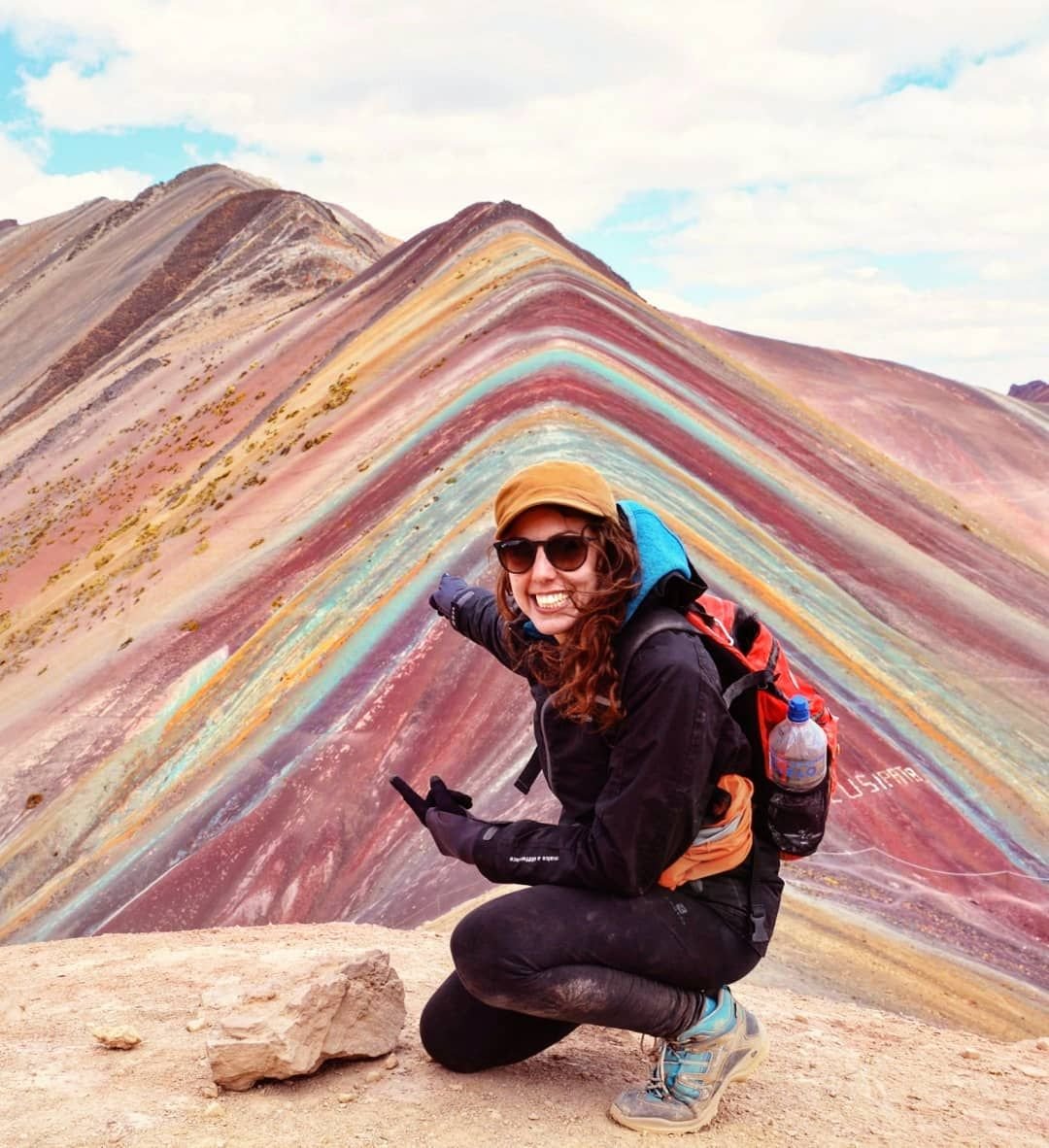
Leave the high destinations for after the first days. Vinicunca tops 5,000 m and the Salkantay pass reaches 4,630 m: they are not excursions for your second day in the country.
When to worry
Mild discomfort is normal. See a doctor if shortness of breath at rest, a persistent cough, confusion or loss of coordination appear: they are signs of severe conditions and the right response is to descend, not wait. On any of our tours the team carries oxygen; tell the guide as soon as you feel bad, not at the end of the day.
What to eat and drink
The rule is simple: small, frequent portions instead of two big meals. Carbohydrates digest better at altitude than fats, so soups, rice, quinoa and potatoes — of which Peru has hundreds of varieties — are good allies for the first days.
Drink three to four liters daily, more than your thirst asks for. Coffee and alcohol dehydrate; leave them for when you’re adapted. Coca or muña infusions are part of local custom and feel good, but note that coca leaf can trigger a positive in an anti-doping test and cannot be taken out of the country.
What you can do on the first day
Acclimatizing doesn’t mean staying in the room. You can: stroll the historic center at a relaxed pace, visit museums and temples, eat well and go to bed early. You shouldn’t: long walks, steep climbs, excursions above 4,000 m or a long night.
A good sign you’re adapted is sleeping well two nights in a row and climbing stairs without losing your breath.
Questions we always get
Does training before the trip help? It helps for trekking, but it doesn’t prevent altitude sickness. Altitude adaptation is physiological and can’t be trained at sea level.
Is it worse for older people? Not necessarily. Age matters less than the speed of ascent and hydration.
What if I travel with kids? It’s fine, with more margin: shorter days, more breaks and lots of water. Let us know when booking so we adjust the pace of the itinerary.
How many days do I need before a trek? At least two full nights in Cusco or the Sacred Valley. For routes above 4,500 m, three.
There is preventive medication commonly used at altitude, but it is taken under medical prescription. Consult before traveling, not in Cusco.