

 By Equipo PAT
There is no bad month for Machu Picchu, but there are very different months. The decision comes down to three variables: rain, crowds and price.
Dry season: May to September
This is the most reliable window. Clear skies, firm trails and the best odds of seeing the citadel without clouds. It is also when most people come and everything costs more. June, July and August are the absolute peak: if you go then, book tickets and trains weeks in advance.
Rainy season: November to March
It rains almost daily, usually in the afternoon and in short bursts, not all day. In exchange: intense green, far fewer visitors and lower prices. February is the wettest month and the Inca Trail closes all month for maintenance — the citadel stays open and you can still get there by train.
The shoulder months: April and October
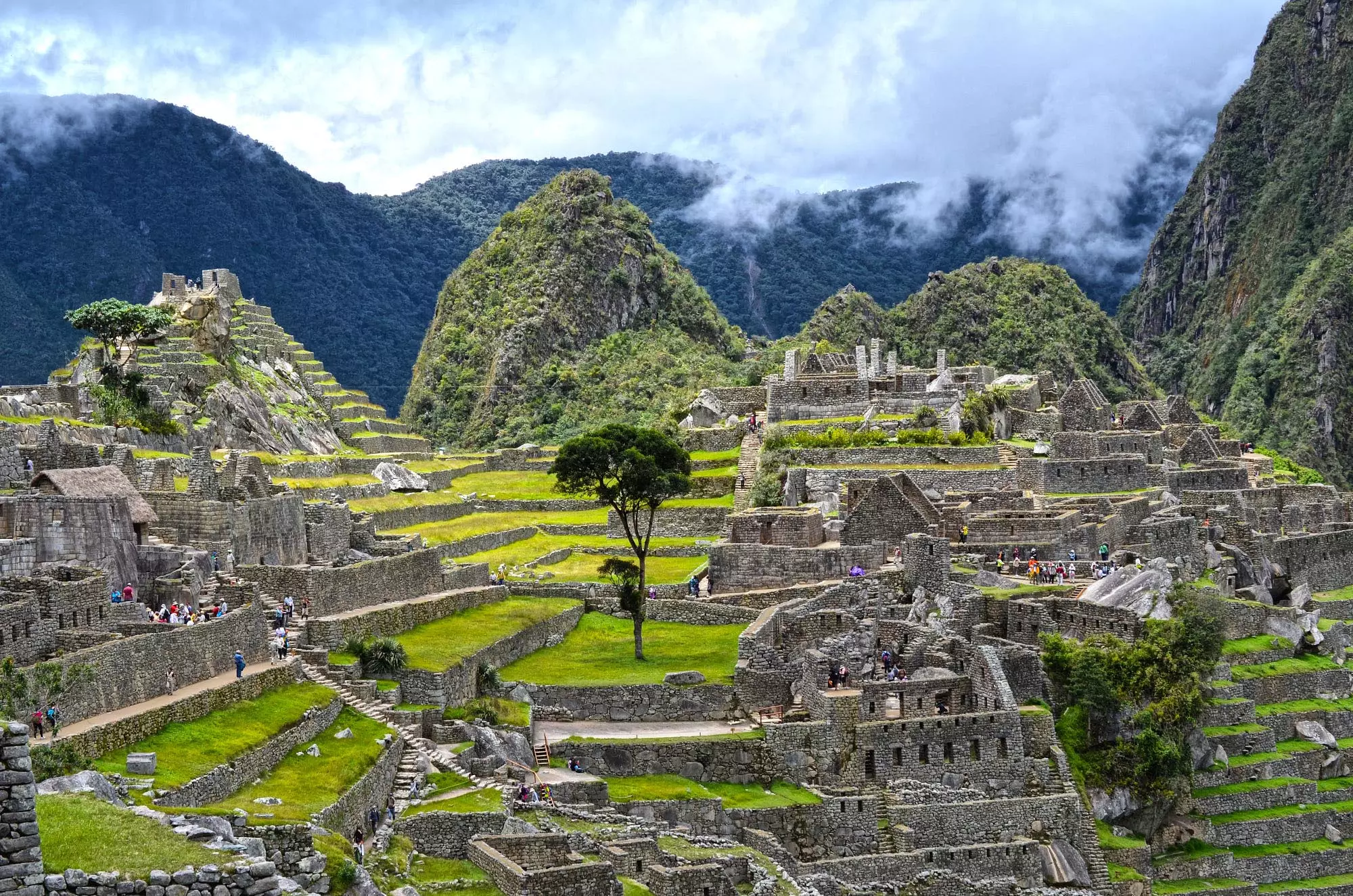
Our recommendation if you can choose. It no longer rains like in the wet season, the green from the rains remains and there are none of July’s crowds.
The hours matter more than the month
Within a single day the difference is huge. The first morning turns catch the citadel with mist that lifts toward mid-morning — the most photogenic moment. The mid-afternoon turns tend to be the quietest, with fewer groups.
Entry works on circuits with assigned times and limited capacity, and the conditions are adjusted each season. Always check the current availability before locking in flight dates.
What to bring, whenever you go
- Light raincoat: even in the dry season there is the occasional shower.
- Sunscreen and a hat. At that altitude the sun burns even when it’s cool.
- Insect repellent for the low area of Aguas Calientes.
- Physical passport: it’s required at the entrance.
How the season affects the Inca Trail and the trains
If your plan includes the classic Inca Trail, the season affects you twice: permits are limited and sell out months ahead for June–August, and the trail closes all of February. The alternative routes — Salkantay, Lares — need no permit, but in the rains the terrain gets slippery and the high passes can wake up with snow.
Trains run all year, though in the rainy season interruptions from landslides on the line are more likely. It’s not the norm, but it’s wise not to chain your Machu Picchu return with an international flight the same day.
Festivals worth catching (or dodging)
June is Cusco’s big month: the Inti Raymi, on the 24th, fills the city. It is an enormous spectacle and also the week with the highest prices of the year and everything booked. Holy Week and the national holidays in late July have a similar effect, more marked in domestic tourism.
If you travel on those dates, lock accommodation and trains well in advance. If you prefer quiet, skip them.
Quick summary
- Best weather: June to August. Also the most expensive and crowded.
- Best balance: April, May, October and November.
- Fewer people and better prices: January and February, accepting afternoon rain.
- Avoid if you don’t like crowds: Inti Raymi week and late July.
If your priority is clear skies, go between May and September. If it’s the quiet, aim for April, October or November.