

 By Equipo PAT
An Amantani homestay means staying with a family from the community, sharing their dinner and breakfast and spending a day on an island without hotels. It is a simple, very human experience. So it helps to know what to expect before you go: the room, the food, the cold and the altitude.
How does an Amantani homestay work?
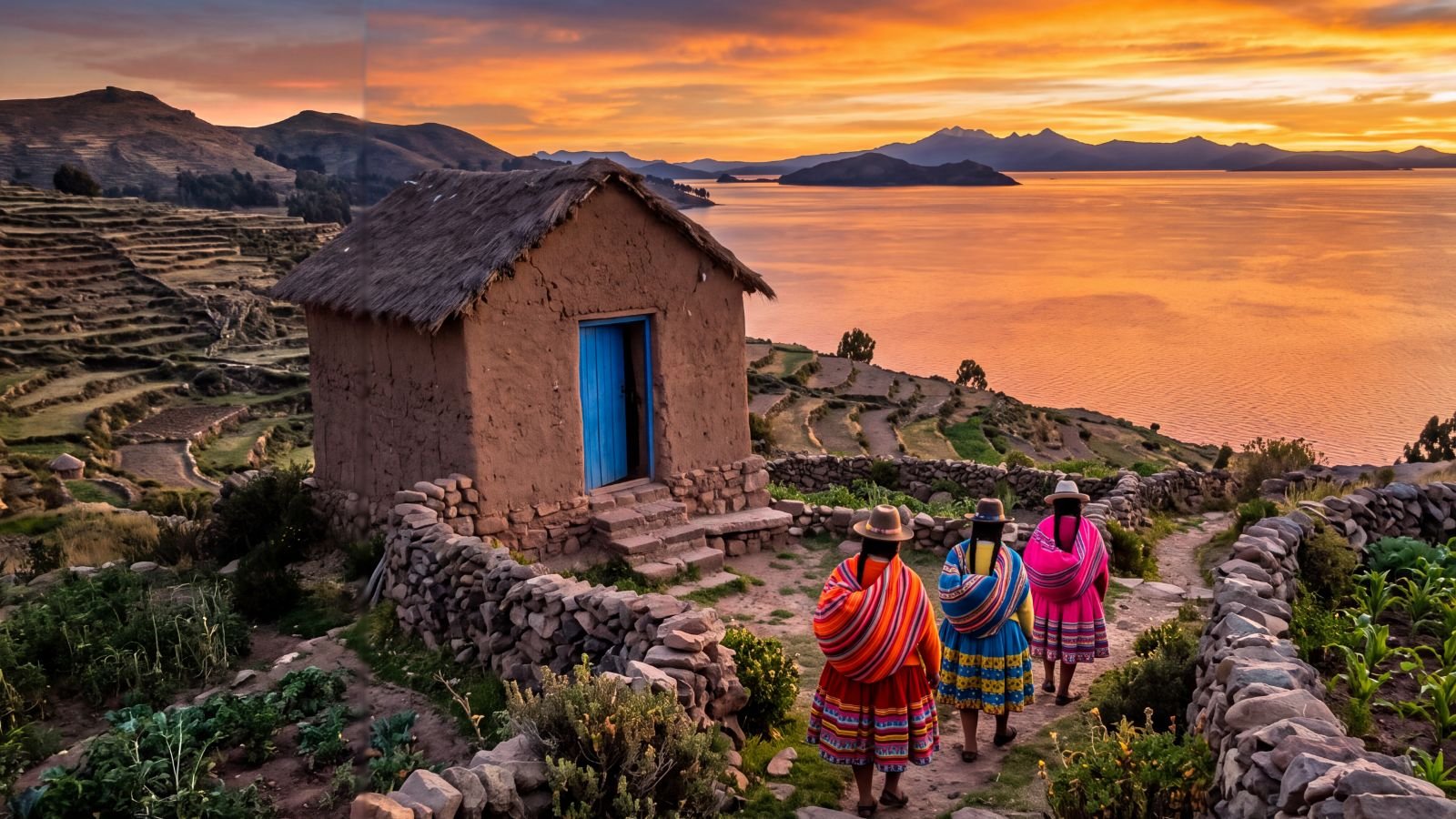
Amantani has no conventional hotels. Island families welcome visitors into their own homes, through a system the community organizes. When you arrive, you are assigned a family and someone walks you to their house. There they show you your room and then invite you to eat.
This rotation is part of the experience. The money for lodging also stays with island families. On the other hand, do not expect luxury: the goal is to share daily life, not to get hotel service.

What are the room and the food like?
The room is usually simple, with beds piled with blankets and adobe walls. Bathrooms are basic and electricity is limited. Still, the silence of the night and the starry sky make up for the missing comforts.
The food is homemade and uses island produce. Hosts often serve quinoa soup, potatoes, vegetables and a dish with cheese or eggs. If you have an allergy or you are vegetarian, tell us when you book, so the family knows in advance.
Our two-day tour with an Amantani homestay includes lodging, dinner and breakfast, as each program describes. For the exact details, see the page for Uros, Amantani and Taquile 2 days and 1 night, from $89.
| Aspect | What to expect |
|---|---|
| Lodging | Simple room in a family’s home |
| Meals | Homemade dinner and breakfast, per the program |
| Comforts | Basic; limited electricity |
| Altitude | Lake at 3,812 m; higher trails |
| Difficulty | Easy |
What do you do during an Amantani homestay?
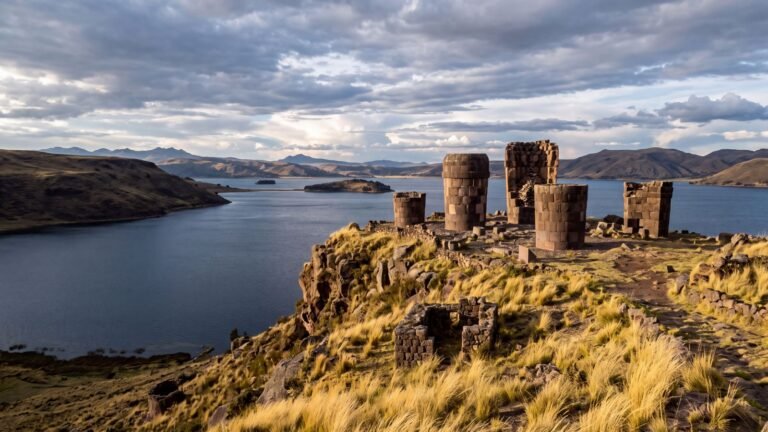
The typical plan keeps a calm pace. First you arrive on the island and settle into your house. Then you eat lunch and walk the trails across the farming terraces. At sunset, many groups climb to the temples of Pachatata and Pachamama, where you can see the whole lake.
- Afternoon: an easy walk and visits to the viewpoints.
- Sunset: a climb to the temples, with wide views of the lake.
- Night: dinner with the family and, depending on the group, a cultural activity.
- Morning: breakfast and a boat ride back, with a stop on another island depending on the program.
For example, take the sunset climb slowly. You feel the altitude with every step, and the sun sets fast. So bring a flashlight and warm clothes.
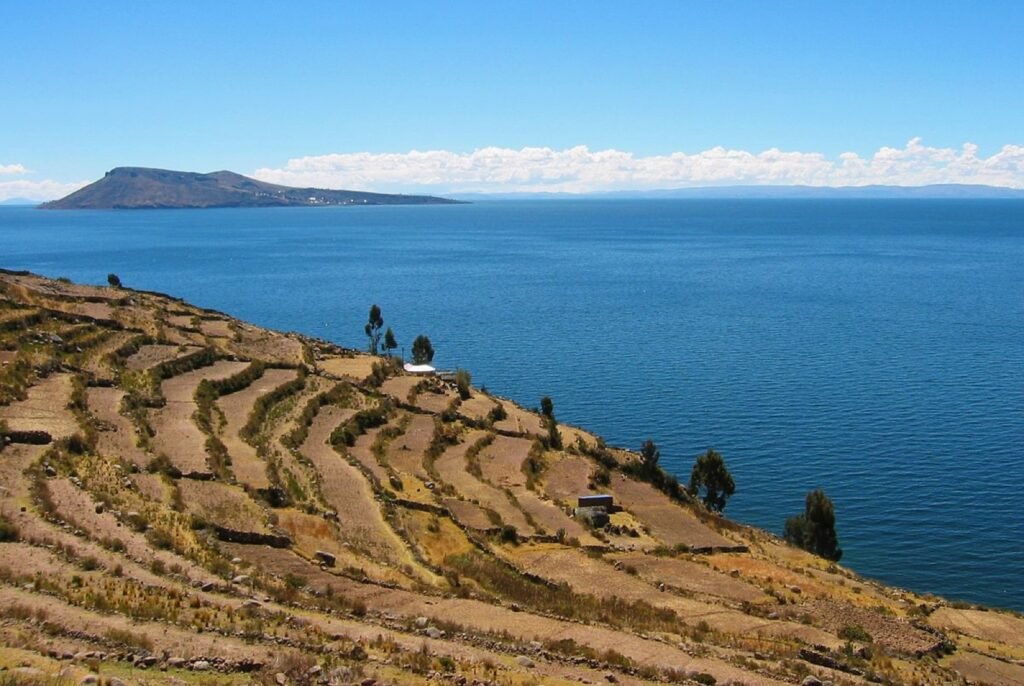
A night on the island also has no traffic noise or city lights. That is why many travelers remember the starry sky more than any other detail. If the weather allows, step outside for a moment with your flashlight off and let your eyes adjust to the dark.
What should you pack for an Amantani homestay?
Nights on the island are cold, even in the dry season. For that reason we suggest packing a small bag just for the island and leaving the rest of your luggage in Puno.
- Warm layers, a hat and gloves.
- A headlamp or flashlight, because trails are barely lit.
- A power bank, since electricity is limited.
- Cash in soles for handicrafts and tips.
- Sunscreen, sunglasses and a reusable water bottle.
- A small gift for the family, such as fruit or school supplies, if it feels appropriate.
What about the altitude? Should you worry?
Lake Titicaca sits at 3,812 m above sea level, and the Amantani trails climb even higher. So arrive in Puno one or two days early. Drink water, skip alcohol the first night and walk slowly.
If this is your first time at this altitude, read our guide on how to acclimatize to altitude first. The tour is easy, though, and needs no hiking experience.
Amantani, Uros or Taquile: which one should you pick?
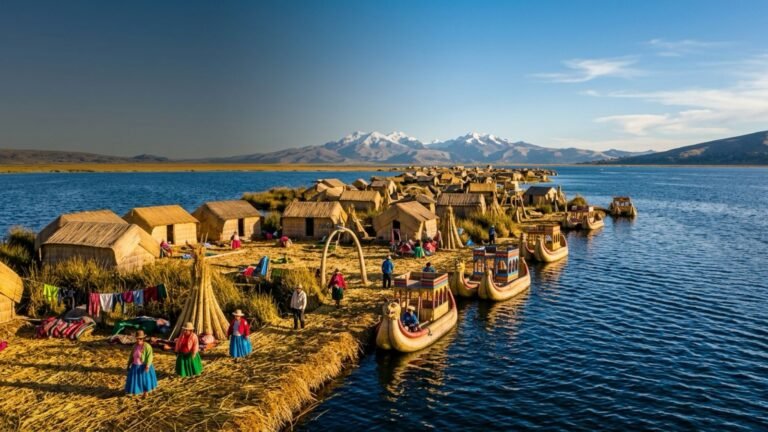
For quick photos, Uros is enough. Taquile is the best option for weaving. To live the island, though, sleeping on Amantani is the closest thing to daily life in an Andean community. To compare all three, read our guide to the Lake Titicaca islands.
If you prefer a day visit, see Taquile Island Full Day, from $69. And if you love Titicaca as a destination, our Machu Picchu and Lake Titicaca package links it with Cusco.
How can you be a respectful guest?
The island is its residents’ home, not a stage set. So ask permission before photographing people and avoid handing money directly to children. Use as little water as you can and leave no trash on the trails. Then thank your host family with a smile and a simple greeting.
You can find general information about the destination on the official PromPerú website. Finally, book early in high season, from May to September, because the spots in the homes are limited.
Frequently asked questions
What is it like to sleep in a homestay on Amantani?
You sleep in a simple room in a local family’s house, eat dinner with them and have breakfast in the morning. Facilities are basic and the atmosphere is very close.
Do the homes on Amantani have a private bathroom?
Do not expect hotel comforts. Bathrooms are basic and the type varies by house. Ask when you book what the program offers.
What do you eat on Amantani?
Homemade island food: quinoa soup, potatoes, vegetables and simple dishes. Let us know ahead of time if you are vegetarian or have an allergy.
Is it cold at night on Amantani?
Yes, very, even in the dry season. Bring warm clothes, a hat and gloves. Beds usually come with several blankets.
Can I charge my phone on Amantani?
Electricity is limited, so bring a power bank. Do not count on outlets always being available.
How much is the tour with a night on Amantani?
Our two-day, one-night route through Uros, Amantani and Taquile starts at $89, with lodging, dinner and breakfast included per the program.