


 By Equipo PAT
The Sacred Valley can be seen in one day, but only if it’s well ordered. The usual mistake is trying to fit everything in and ending up with fifteen minutes at each stop. These are the four visits worth the day, and in what order.
Start with Pisac, early
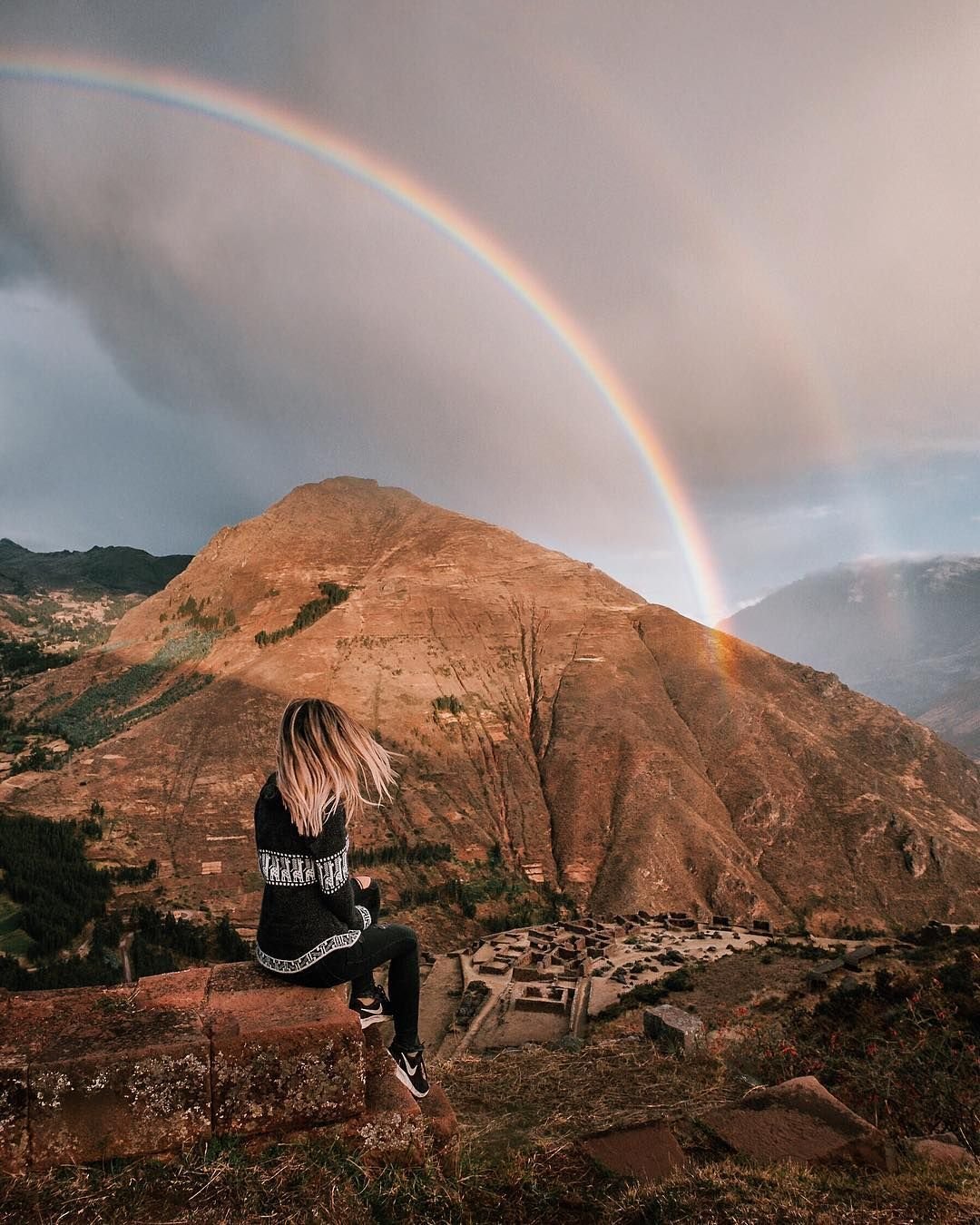
The Pisac archaeological complex spreads across terraces on the hillside, and first thing in the morning it’s almost empty. Down in the town is the artisan market — livelier on Sundays, though also more touristic.
Then Maras and Moray
The circular terraces of Moray are experimental Inca terraces: each level has its own microclimate, with several degrees of difference between the highest and the lowest. A few kilometers away are the Maras salt pans, thousands of stepped pools fed by a salty spring, worked since before the Incas.
Watch out for tickets: Moray is covered by the Tourist Ticket, but the salt pans charge a separate entrance.
Close with Ollantaytambo
The best stop for the end. The town keeps the Inca urban layout — you walk streets that follow the same plan from 500 years ago — and the temple on top, with its blocks of pink porphyry brought from the other side of the valley, is best enjoyed in the afternoon light.
If you continue to Machu Picchu, stay here overnight: the train station is in town and you avoid leaving Cusco before dawn.
Practical details
- Tourist Ticket: covers Pisac, Ollantaytambo, Moray and Chinchero, among other sites. There’s a general version and partial circuits; check which suits you and the current price before buying.
- Altitude: the valley is lower than Cusco, so walking is easier. A good destination for day one or two.
- Pace: with three stops the day is already long. If you want to add Chinchero, better split it over two days.
How to get there and how long it takes
From Cusco to Pisac is just under an hour by road; from Pisac to Urubamba, another long hour following the river; and from Urubamba to Ollantaytambo, half an hour. Adding the stops, the full day is about ten hours door to door.
It can be done independently by colectivo — they leave from Puputi street toward Pisac and from Pavitos toward Urubamba — or with your own transport. By colectivo the day is very cheap but goes less far: Maras and Moray are off the beaten route and you have to negotiate a taxi from the turnoff.
Where to eat in the valley
Urubamba concentrates the best options and sits halfway, so it’s the natural lunch stop. There’s everything from country restaurants with their own vegetable gardens to simple set menus in the market. In Ollantaytambo, the plaza spots are comfortable for an early dinner before the train.
If you have two days
With two days the valley changes completely. A split that works well: the first day Pisac and Urubamba, sleeping in the valley; the second, Maras, Moray, Chinchero and Ollantaytambo. Sleeping at 2,800 m instead of 3,400 m also helps acclimatization, which is why many of our travelers start here and climb to Cusco afterwards.
Details that go unnoticed
- Chinchero has the best traditional weaving workshops in the valley and very few lines compared to Pisac.
- The Pisac market is open daily, not only Sundays; Sunday is the biggest day but also the most crowded.
- The sun is strong even when it’s cool: hat and sunscreen, especially at the salt pans, where there’s no shade.
- Cash. In small towns and markets there isn’t always a card terminal or ATM.
One day is enough to get to know it. Two let you stay for lunch without watching the clock — which is when the valley is truly enjoyed.