

 By Equipo PAT
The Cruz del Condor is the Colca viewpoint where you can see Andean condors, and the best time is in the morning, roughly between 8:00 and 9:30. Condors glide when the sun warms the air in the canyon. So arrive early and be patient, because their flight can never be guaranteed.
What time do you see condors at the Cruz del Condor?
Condors are gliders. They barely flap: they need warm air currents that rise from the valley floor. Those currents form once the sun heats the canyon walls, by mid-morning. That is why the usual window is 8:00 to 9:30, although some days they show up earlier or later.
The first hours also have softer light for photos. However, the viewpoint fills up after eight, so arrive with time to spare if you want a good spot by the railing.

What is the best season to see condors in Colca?
You can see them all year. However, the dry season, roughly May to November, usually brings clearer skies and more thermals. In the rainy season, from December to March, clouds can cover the canyon at times.
| Factor | Best | Worst |
|---|---|---|
| Time | 8:00 to 9:30 approx. | After noon |
| Season | Dry (May to November) | Rainy (December to March) |
| Weather that day | Clear sky and sun | Fog or rain |
| Photography | Soft morning side light | Harsh midday light |
So if you can choose, travel in the dry season and start early. Still, remember these are wild birds, and no month guarantees a sighting.
What does an Andean condor look like up close?
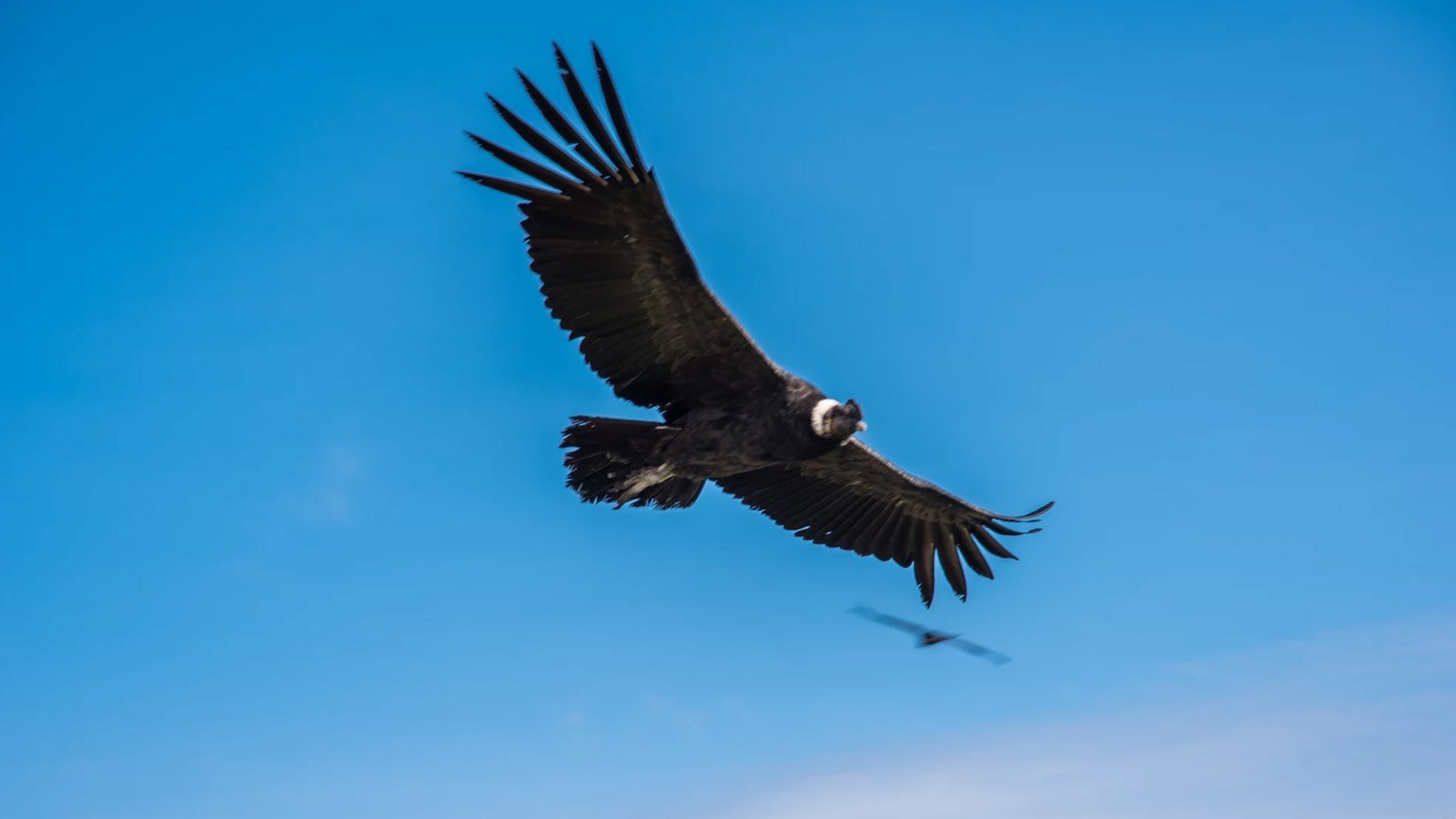
The Andean condor is one of the largest flying birds in the world. It can reach a wingspan of about 3 m and feeds on carrion. Adult males also have a fleshy crest on the head and a ring of white feathers around the neck.
Watching one glide a few meters from the viewpoint is striking. That is why many travelers say it is the highlight of Colca. However, bring a zoom lens if you carry a camera: condors move fast, and you should not step toward the rocks at the edge.
How do I get to the Cruz del Condor from Arequipa?
The viewpoint sits at about 3,700 m, in the stretch of the canyon near Pinchollo and Cabanaconde. From Arequipa the road runs for several hours across the highlands and the Patapampa pass. For that reason almost everyone visits on a tour.
You have two formats. The Colca Canyon Full Day leaves before sunrise and costs from $75. The two-day, one-night route, on the other hand, sleeps in the valley and reaches the viewpoint at a calmer pace, from $149. To compare them, read our guide Colca: full day or 2 days?
How much does it cost to enter the viewpoint?
In the valley you pay a tourist ticket to visit the viewpoints and the villages. Its price and conditions change over time. So confirm it when you book or on the official PromPerú portal, and ask whether your tour includes it.
How do condors behave and why do they fly here?
Condors nest on the rocky walls of the canyon and head out to feed when the air warms up. Colca offers exactly what they need: tall walls, good currents and plenty of open space. As a result, it is one of the most reliable places in South America to watch them up close.
For example, you may see one perched on a ledge for several minutes before it drops into the void without moving its wings. Other days, however, they only pass in the distance. So adjust your expectations and enjoy the whole scene: the height, the silence and the landscape.
What else is there to see near the Cruz del Condor?
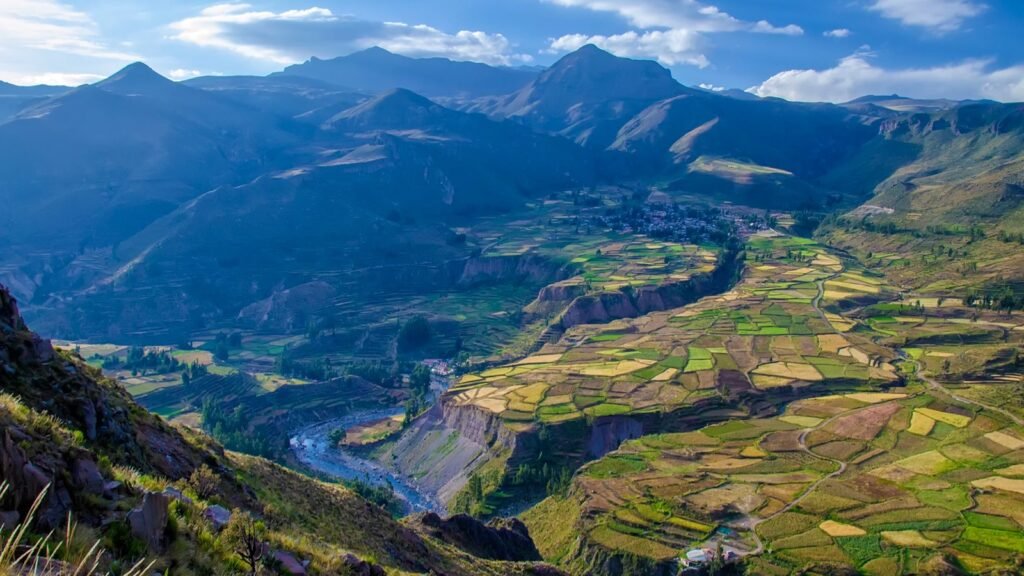
The canyon stretch around the viewpoint has small villages, farming terraces and trails. On the way in you also cross the Salinas and Aguada Blanca National Reserve, where vicuñas and llamas are common. The valley also keeps colonial churches and smaller viewpoints that deserve a short stop.
Then, if your route includes Chivay, you can end the day at the hot springs or with an Andean lunch. On the full day, in contrast, there is less room for these stops and you will have to prioritize. For that reason many travelers end up choosing the two-day route.
What should I know before going?
- Pack warm clothes: it is cold at 3,700 m first thing in the morning.
- Acclimatize in Arequipa first; the road crosses a 4,710 m pass.
- Stay quiet, and do not chase the birds or lean over the edge.
- Wear sunscreen and a hat, because the high-altitude sun burns fast.
- Carry cash in soles for the ticket, restrooms and crafts.
Also have a plan B. If the condors do not fly that day, you will have time to walk the viewpoint trails and enjoy the scenery. Finally, remember that the trip is worth it even if the condors arrive late: the canyon alone is a show. To prepare for the height, start with our guide on how to avoid altitude sickness.
Frequently asked questions
What time do you see condors in Colca?
Usually between 8:00 and 9:30, when the sun heats the canyon and air currents form. No schedule guarantees a sighting.
Do you see condors all year?
Yes, they live in the area all year. The dry season, roughly May to November, usually gives better visibility and more thermals.
How high is the Cruz del Condor?
It sits at about 3,700 m above sea level. The tour first crosses the Patapampa pass at 4,710 m, so it helps to acclimatize.
Can I go on my own?
You can, but it is many hours of road from Arequipa. With a tour you get transport and arrive at the right time.
How long is the visit to the viewpoint?
Time at the viewpoint depends on your tour and on how soon the condors appear. Ask for the exact arrival time when you book.