

 By Equipo PAT
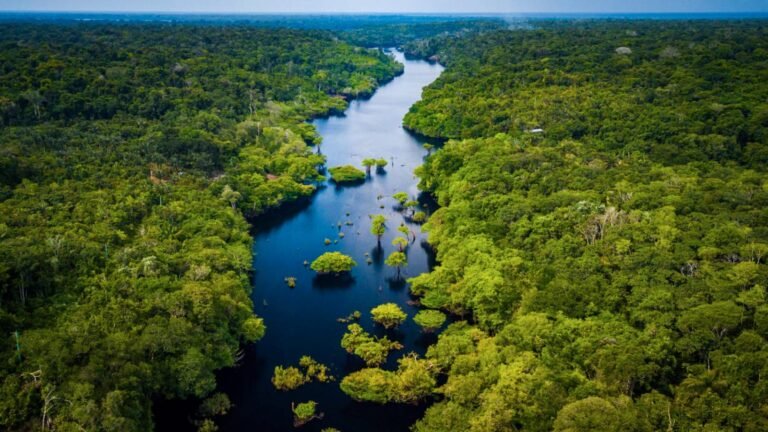
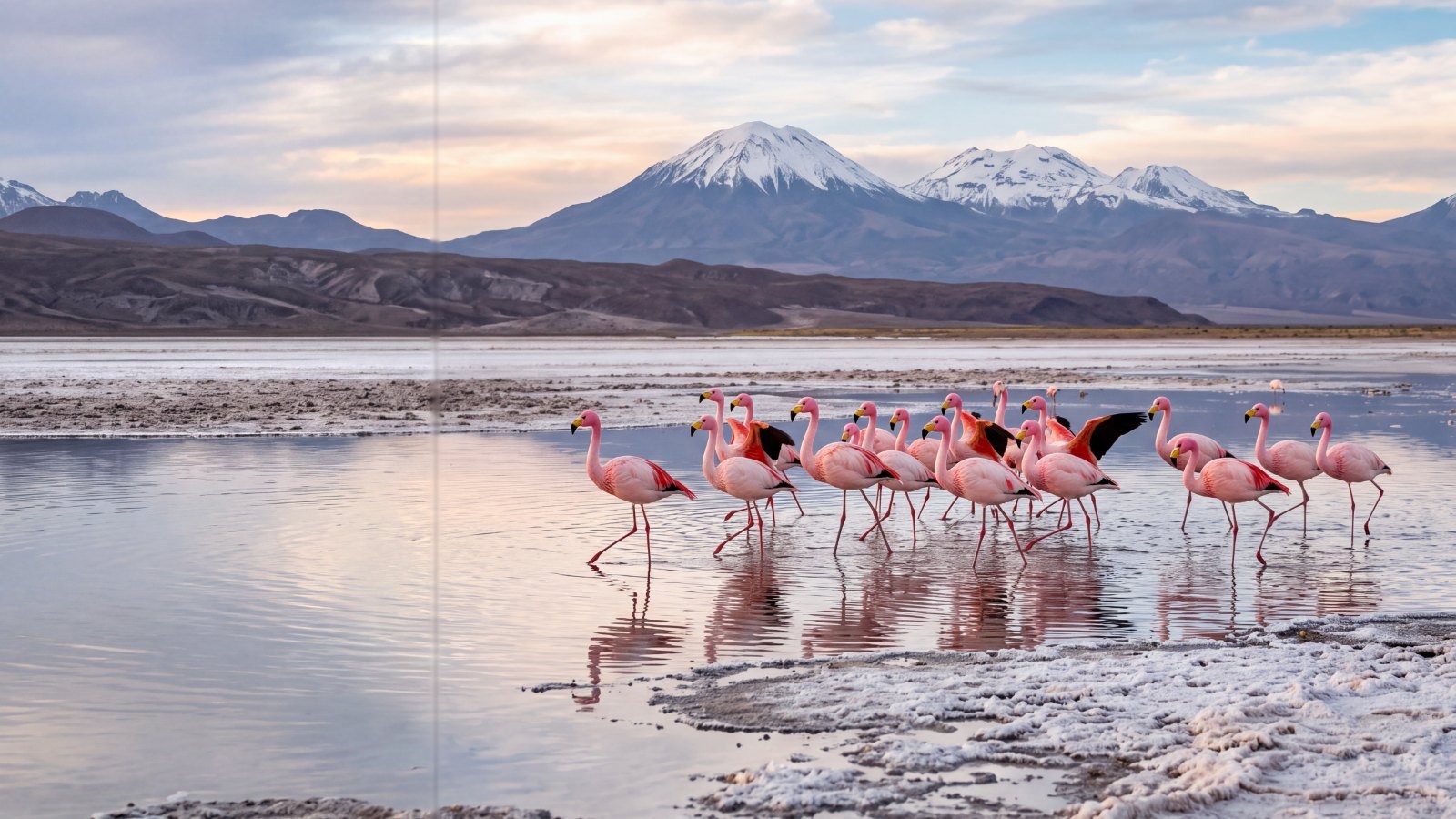
The Salinas Lagoon Arequipa is a stretch of water at 4,300 m on the highlands, with flamingos, vicuñas and views of the volcanoes. You visit it on a full-day trip from the city. If you also want a waterfall, the Pillones waterfall sits above 4,000 m and is a separate day trip.
What is the Salinas Lagoon and what can you see there?
It is a salt lagoon inside the Salinas and Aguada Blanca National Reserve, a protected natural area managed by SERNANP. The landscape is open, with grassland and volcanoes. You can also spot birds such as flamingos, which vary by season, and vicuñas on the nearby plains.
Our Salinas Lagoon tour lasts a full day and costs from $59. It also includes a volcano viewpoint, the traditional village of Chiguata and the hot springs of the Lojen mini-volcano. That makes it a varied, easy excursion.
What is the Pillones waterfall?
Pillones is a waterfall on the Arequipa highlands, above 4,000 m, surrounded by volcanic rock scenery. To see it you walk a short stretch on foot. However, the altitude calls for a slow pace and warm clothes.
Our Pillones Waterfall tour costs from $59 and lasts one day. Besides the falls, it stops at the Carlitos viewpoint, with a view of Arequipa’s three volcanoes, and at the Imata stone forest. It is rated moderate, one step above Salinas.
Salinas or Pillones? A quick comparison
Both tours leave from Arequipa, last a day and cost the same. So the choice depends on what you want to see.
| Criteria | Salinas Lagoon | Pillones Waterfall |
|---|---|---|
| Price | From $59 | From $59 |
| Duration | Full Day | Full Day |
| Altitude | 4,300 m | 4,100 m |
| Difficulty | Easy | Moderate |
| Highlights | Lagoon, flamingos, hot springs | Waterfall, stone forest |
| Best for | Photos and rest | Hiking and scenery |
As you can see, Salinas is calmer and Pillones has more walking. If you only have one free day, choose by what attracts you most: water and birds, or rock and waterfall.
How do I prepare for the altitude of the highlands?
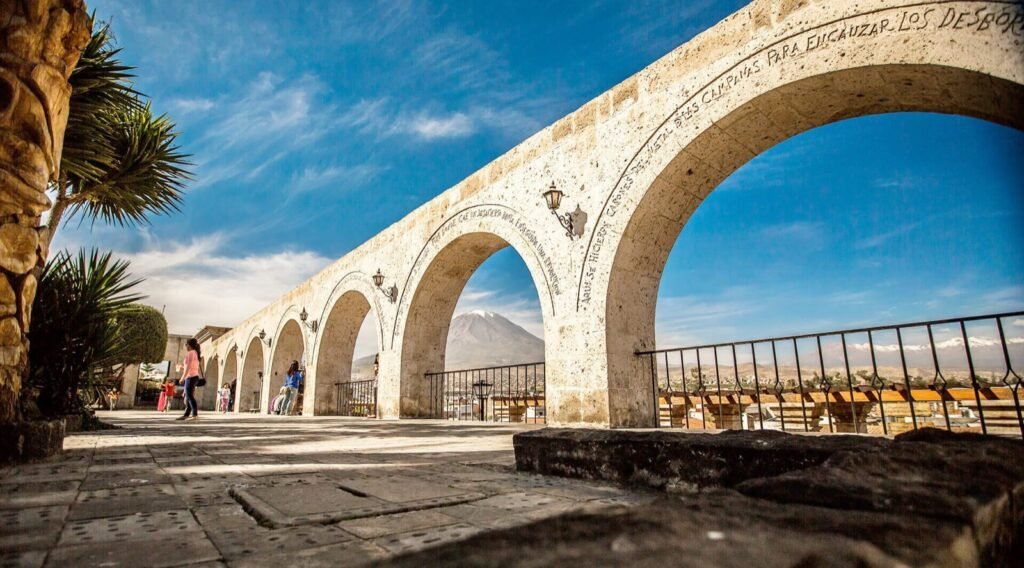
Both destinations top 4,000 m, far higher than Arequipa at 2,335 m. For that reason it helps to acclimatize for a day or two in the city. Drink water, walk slowly and avoid heavy meals before you leave.
- Wear layers, a windbreaker and a hat.
- Use sunscreen and sunglasses, because the high-altitude sun burns fast.
- Choose comfortable shoes with good grip for the waterfall path.
- Bring a water bottle and light snacks.
If you worry about altitude sickness, read our guide on altitude and acclimatization. Although it covers Cusco, the tips apply to any highland route.
What wildlife and scenery can I expect on the highlands?
The Arequipa highlands are part of a puna ecosystem. Vicuñas live here, the finest camelid of the Andes, along with high-altitude birds. The landscape also changes with the light: in the morning the volcanoes look sharp and in the afternoon more clouds roll in.
For example, the volcano viewpoint on the Salinas route lets you see several cones at once. The Imata stone forest on the Pillones route, in contrast, shows rock shapes carved by the wind. So the two tours give you different photos, even though the altitude is similar.
Should I go with a guide or on my own?
A tour has clear advantages. First, the transport covers long high-altitude roads. Then, the guide knows the viewpoints and the conditions of the day. Finally, if someone feels unwell from the altitude, help is right there.
However, if you prefer to go alone, tell someone your route and bring extra warm clothes. Also remember that phone signal can fail on the highlands. For that reason, an organized trip is the easiest option for most travelers.
What is the best season to go?
The dry season, roughly May to October, brings clearer skies and better light for photos. However, mornings are very cold and frost is possible. In the rainy season, from December to March, the landscape is greener, but there are more clouds and the road can get tricky.
So if you can choose, travel in the dry season and leave early. The waterfall’s flow also changes with the rains, so it does not look the same all year.
How do I fit these tours into my Arequipa trip?
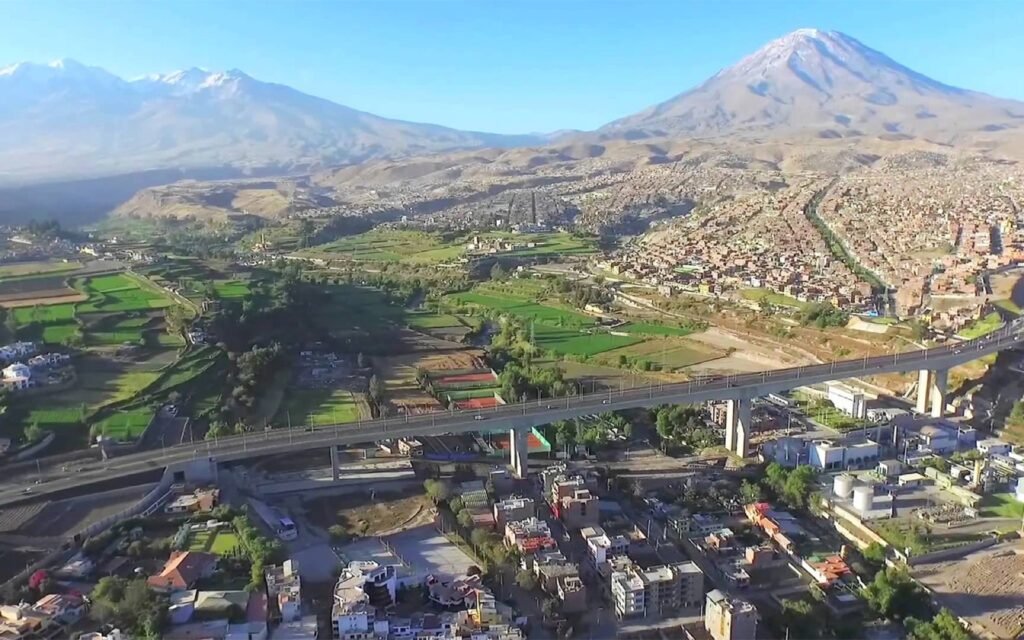
The best plan is to leave them for after your first days in the city. For example, start with the city tour and keep the highlands for day three. That way you adapt better. To build the whole plan, read things to do in Arequipa in 3 days.
If you want to compare these tours with the canyon trip, see Colca: full day or 2 days? The Colca is longer and more demanding, so Salinas and Pillones are a shorter alternative.
To read more about the destination, see the official PromPerú portal.
Frequently asked questions
How high is the Salinas Lagoon?
It sits at 4,300 m above sea level. Acclimatize first in Arequipa, at 2,335 m, and drink water during the day.
How much is the Salinas Lagoon tour?
Our Salinas Lagoon Full Day tour starts from $59. Ask what the rate includes before you book.
How hard is the Pillones waterfall?
It is moderate because of the altitude, above 4,000 m, and the path. Go slowly and bring warm clothes.
Do you see flamingos at the Salinas Lagoon?
They are often there, but numbers change with the season. These are wild birds, so their presence cannot be guaranteed.
Can I do Salinas and Pillones on the same day?
They are two separate full-day trips. Most people do one per day so they do not push the altitude.