

 By Equipo PAT
The best time to visit Peru is May to September if you head to the Andes, because that is the dry season in the mountains. The coast, however, shines most from December to April, and the jungle from May to October. For that reason, the ideal date depends on the region you want to see.
What is the best time to visit Peru?
Peru does not have a single climate. The country holds desert, mountains and jungle, and each zone has its own season. Altitude also changes how the temperature feels, so the same month can be pleasant on the coast and cold on the high plateau.
If your trip centers on Cusco, Machu Picchu and the southern Andes, aim for May, June, July, August or September. Those months bring clear skies and little rain. The nights, however, are cold, and it is high season, with more visitors and higher prices.
If you want fewer crowds, on the other hand, the shoulder months also work. April, October and November usually mix good weather with more calm. To plan at your own pace, also see the guide to places to visit in Peru.
Which month is best for each region?
This table sums up the seasons of each zone. The ranges are general, because the weather changes from year to year.
| Region | Best time | More rain or fog | Keep in mind |
|---|---|---|---|
| Cusco and Machu Picchu | May to September | December to March | Cold nights in the dry season |
| Puno and Lake Titicaca | May to September | December to March | Night temperatures below freezing |
| Arequipa and Colca | April to December | January to March | Strong sun almost all year |
| South coast: Paracas, Ica and Nazca | All year | Almost no rain | Heat in summer, mist in winter |
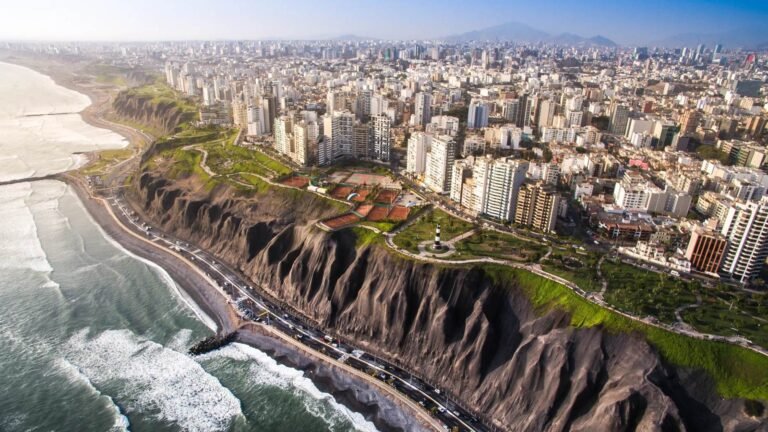
| Lima | December to April | June to October (overcast) | Humidity and gray skies in winter |
| Jungle: Manu and Tambopata | May to October | November to April | Humidity and mosquitoes in the rains |
When is the best time to visit Peru for Cusco and Machu Picchu?
The dry season runs from May to September. Days are sunny and views are clear, ideal for photos. It is also when most people arrive, so tickets and trains sell out sooner.
From December to March it rains more. In return, the landscape is green and there are fewer visitors. February is usually the wettest month, and the classic Inca Trail closes for maintenance during that month.
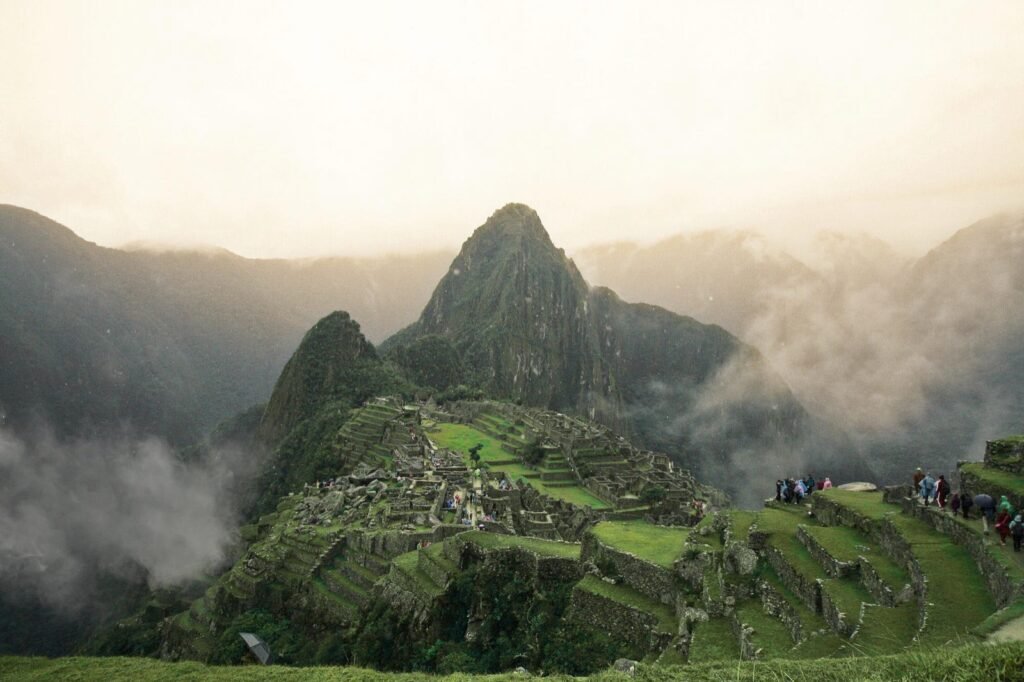
For a month-by-month view, read the guide to the best time to visit Machu Picchu. Our Machu Picchu by Train tour starts from $359, and the Classic Inca Trail from $729.
If you go in high season, book several months ahead. And if you prefer clean skies and little rain with fewer people, try May or September.
What about Rainbow Mountain and the treks?
Treks and high-altitude excursions work best in the dry season. In the rains, trails turn muddy and the risk of snow and fog rises. For example, Vinicunca reaches 5,200 m, and under cloud cover it loses much of its color.
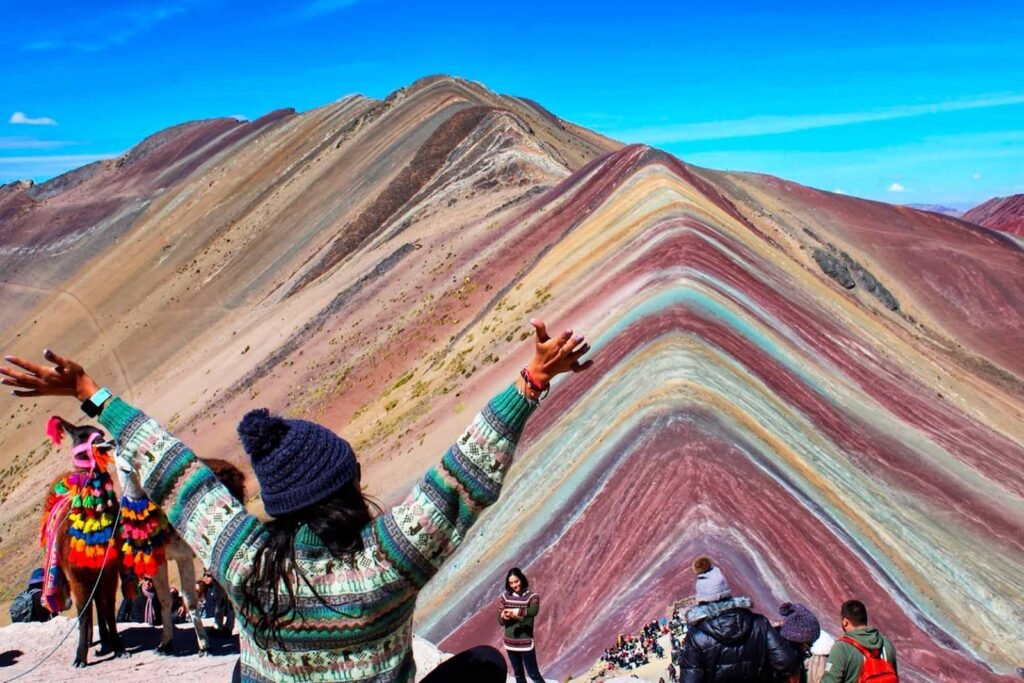
If you want a short excursion, the Rainbow Mountain Full Day tour starts from $35. For more hikes, see the alternative treks to the Inca Trail. It also pays to arrive acclimatized; the guide on how to acclimatize to the altitude helps you prepare.
When is the best time to visit Peru for Lake Titicaca, Colca and Arequipa?
On the high plateau, Lake Titicaca also peaks from May to September. The sky is clear and the views are sharp. The nights, however, are very cold, and on some dates the temperature drops below zero. So pack warm clothes, even if the day is sunny.
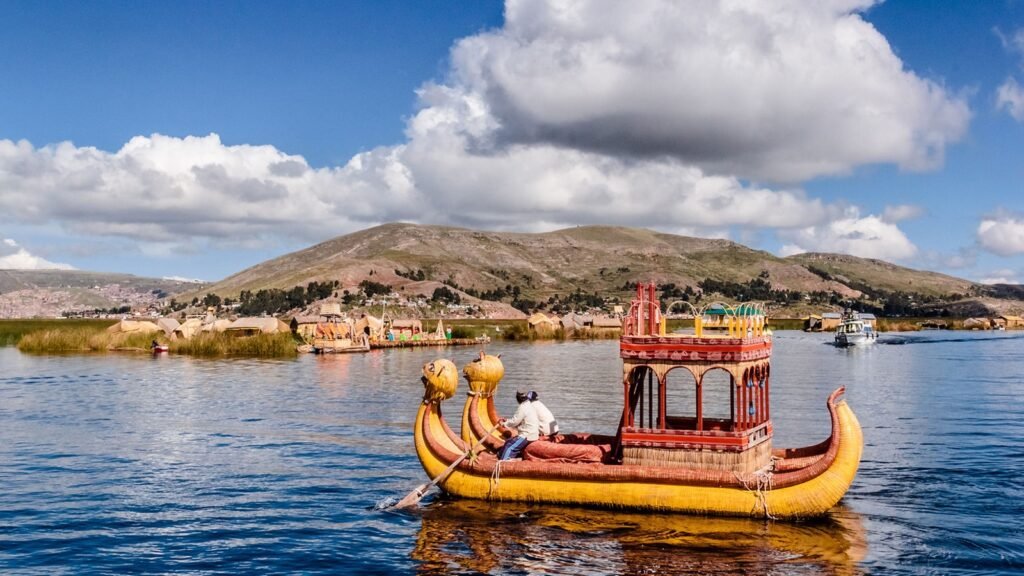
You can visit Colca Canyon well almost all year, although January to March bring rain. Condors show up at the Cruz del Condor mostly in the morning, but a sighting is never guaranteed. Arequipa, for its part, has steady sun and makes a good stop in any month.
To organize these excursions, see Uros Floating Islands, from $39, and Colca Canyon Full Day, from $75. For official sources on the destination, visit the official PromPeru page on Lake Titicaca.
Which season should you pick for the coast and Lima?
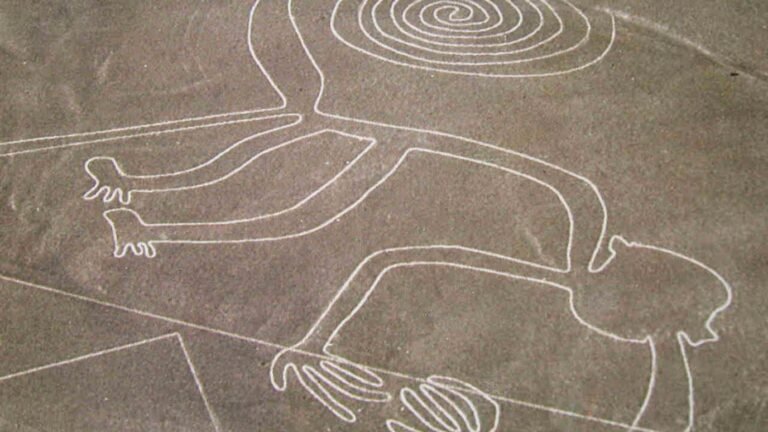
The south coast is a desert, so it almost never rains. The Nazca Lines, Paracas and Huacachina work all year. From December to April it is hotter and sunnier, and from June to September more mist rolls in and the weather turns cool.
Lima follows a similar pattern. In winter the sky fills with low clouds and the air is very humid. Summer, in contrast, is sunny and pleasant for the beach. To plan the coast, see the Ballestas Islands by Boat tour, from $79, which you can do in any month.
When should you travel to the Manu or Tambopata jungle?
The southern jungle has two seasons. From May to October it rains less, the roads are drier and there are fewer mosquitoes. From November to April, on the other hand, it rains more often and the rivers rise, although nature looks lusher.
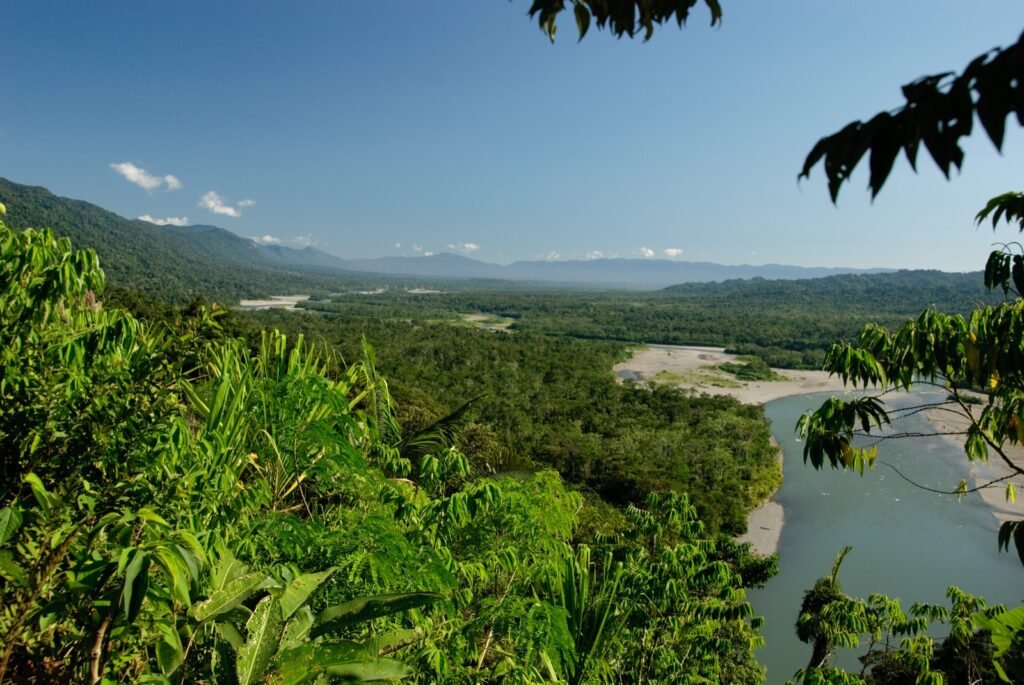
Our Manu Cultural Zone 3 Days tour starts from $329. Tambopata 3 Days, in contrast, starts from $449. For reserve data, visit the page on Tambopata at PromPeru.
How do festivals and high season affect the best time to visit Peru?
Some dates fill the hotels and raise prices. For example, Inti Raymi, on June 24 in Cusco, draws thousands of visitors. The Candelaria festival in Puno, in early February, is also one of the biggest celebrations in the country. Holy Week raises demand too.
So if you want to travel on those dates, book far earlier. If you prefer to avoid them, choose the weeks before or after. To estimate costs by season, see the guide to the Peru trip cost.
How do you combine regions in one trip?
If you want to link several regions, prioritize the zone where weather matters most. That is usually the Andes. For that reason, from May to September it makes sense to include Cusco, Puno and the Colca. From December to March, on the other hand, you can add the coast and leave the high-altitude treks for another time.
You can see sample routes in the Peru itinerary for 10 days or in the 2 weeks in Peru route. Our packages through several regions also start from $1,490.
Tips for the season you travel in
- Dry season: book early and pack warm clothes for the nights.
- Rainy season: bring a rain jacket and shoes with good grip.
- Coast in winter: pack a light jacket and some patience with the mist.
- Jungle: use repellent and long sleeves all year.
- Any month: wear sunscreen, because radiation at altitude is high.
To check weather alerts before you leave, visit SENAMHI, the official weather service of the country. So whatever your date, check the forecast a few days ahead and adjust your suitcase.
Frequently asked questions
What is the best month to travel to Peru?
For the Andes, May to September brings less rain and clearer skies. For the coast, December to April, and for the jungle, May to October.
When is the rainy season in Peru?
In the Andes and the jungle it rains mostly from December to March, with peaks in January and February. The coast gets almost no rain.
Can you travel to Peru in the rainy season?
Yes. There are fewer people and the landscape is green, but some trails get tricky. Bring a rain jacket and leave room for changes of plan.
When is high season in Peru?
Between June and August, especially in Cusco and Machu Picchu. Prices rise then, and spots sell out sooner.
What is the best month to go to Machu Picchu?
May, June, September and October offer good weather. June to August is the driest, but also the busiest.