

 By Equipo PAT
The Peru trip cost depends on your route, your season and your style. Our land packages start from $359 (5 days in Cusco) and reach $1,690 (8 days through Colca, Titicaca and Machu Picchu). One-day excursions start at $17. Flights and hotels come on top, unless the package includes them.
What is the Peru trip cost by type of trip?
Most of the spending depends on how many days you stay and how many regions you visit. For that reason, start with the type of route. The table shows the multi-day packages in our catalog, from the lowest price to the highest. The prices are the ones published on our website as of October 2026.
| Package | Length | What it covers | From |
|---|---|---|---|
| Magic in Cusco | 5 days and 4 nights | Cusco and surroundings | $359 |
| Magic in Cusco | 6 days and 5 nights | Cusco and surroundings | $429 |
| Magic in Cusco | 7 days and 6 nights | Cusco and surroundings | $499 |
| Magic in Cusco | 8 days and 7 nights | Cusco and surroundings | $559 |
| Lima, Cusco and Machu Picchu | 6 days and 5 nights | Lima and Cusco | $890 |
| Nazca, Cusco and Machu Picchu | 8 days and 7 nights | Nazca and Cusco | $1,490 |
| Machu Picchu and Lake Titicaca | 8 days and 7 nights | Cusco and Puno | $1,590 |
| Colca, Titicaca and Machu Picchu | 8 days and 7 nights | Arequipa, Puno and Cusco | $1,690 |
As you can see, packages that cover several regions cost more. The price also rises because they include more transfers between cities. The Cusco packages, in contrast, are cheaper because they keep everything in one area.
If you do not know which route to pick yet, see the guide to places to visit in Peru. You can also compare two complete options: the 10-day itinerary and the 2 weeks in Peru route.
Which expenses belong in your Peru trip cost?
A trip to Peru is not just the price of the tour. First, add up every item, and then compare. These are the usual expenses.
- International flight: this is the most variable item, because it depends on your country and the date.
- Domestic flights or buses: for example, Lima to Cusco or Cusco to Puno.
- Tours and packages: excursions and multi-day programs.
- Lodging: it changes a lot with the category and the season.
- Meals: a local set menu costs far less than a tourist restaurant.
- Tickets: Machu Picchu, ruins and museums have their own fees.
- Extras: tips, souvenirs, travel insurance and vaccines if you need them.
Third-party prices change often, so we do not give fixed figures for them. For that reason, ask for an updated quote before you book. For citadel tickets, also check the official Machu Picchu website.
How much do one-day excursions cost?
One-day excursions are the cheapest way to try a place. These are the prices of some of the most requested ones.
- Cusco City Tour (half day): from $17.
- Traditional Sacred Valley: from $30.
- Rainbow Mountain: from $35.
- Uros Floating Islands: from $39.
- Arequipa City Tour: from $45.
- Colca Canyon Full Day: from $75.
- Ballestas Islands by Boat: from $79.
- Machu Picchu by Road: from $129.
- Machu Picchu by Train: from $359.
Prices also change with the means of transport. For example, Machu Picchu by train costs more than by road, because the train is more comfortable and faster. The road, however, takes more time and ends with a walk.

How much does it cost to visit Machu Picchu?
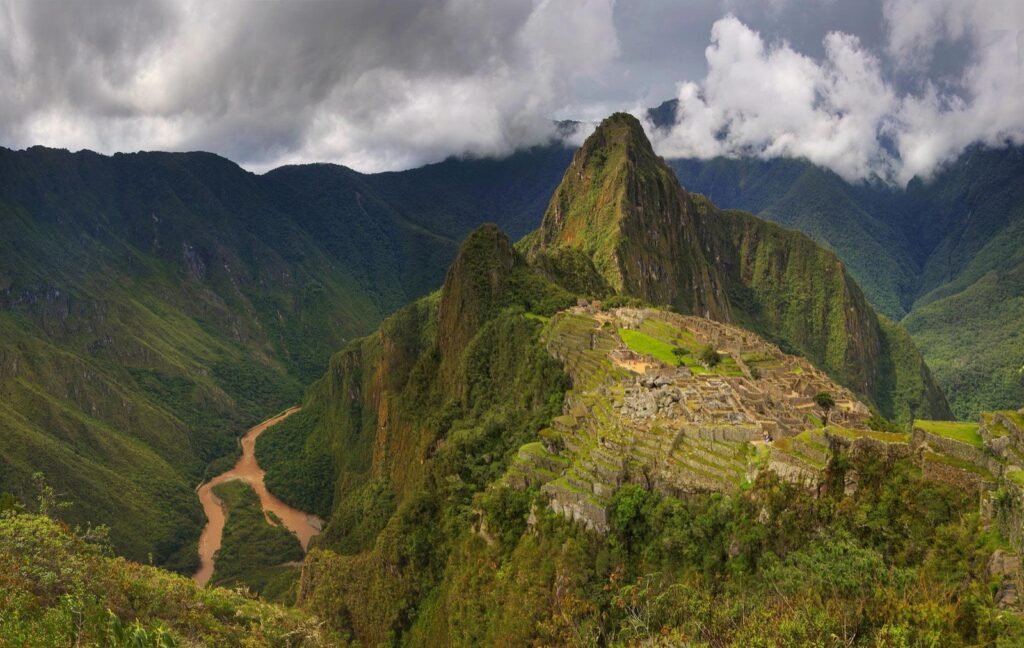
Machu Picchu is the biggest expense on almost every trip. The final price depends on how you arrive, how many days you stay and whether you sleep in Aguas Calientes. Our Machu Picchu 2 Days and 1 Night tour starts from $459.
Trekking, on the other hand, is a different path. The Classic Inca Trail costs from $729 and the Salkantay Trek from $379. To compare options, read about the alternative treks to the Inca Trail.
How much does each region of the country cost?
Each region has its own price range. These are the prices of our excursions, so you can compare before building your route.
- Puno and Titicaca: from $39 (Uros) to $89 (Uros, Amantani and Taquile).
- Arequipa and Colca: from $45 (city tour) to $149 (Colca 2 days).
- Lima, Paracas and Ica: from $35 to $159, depending on the water circuit, Huacachina or the Nazca overflight.
- Amazon: from $329 (Manu, 3 days) to $799 (Tambopata, 5 days).
The jungle usually costs more because it needs special transport, lodging in the reserve and specialized guides. One-day excursions in the mountains and on the high plateau, in contrast, are the most affordable. For that reason many travelers mix both worlds: one jungle package and several short excursions.
What budget does each type of traveler need?
An example helps more than a price list. These three combinations add up only services from our catalog. They do not include flights, hotels or meals outside the program, and you should confirm what each listing includes.
The traveler with little time
If you spend three or four days in Cusco, you can combine the Cusco City Tour ($17), the Traditional Sacred Valley ($30) and Machu Picchu by Road ($129). That adds up to $176 in excursions. It also leaves free days to rest.
The traveler who wants adventure
For those who like hiking, the combination can be Rainbow Mountain ($35), Laguna Humantay ($35) and the Salkantay Trek ($379). They add up to $449 in services. However, you need good altitude adaptation before you start.
The traveler who wants the full route
If you prefer one price for the whole trip, choose a package. The Colca, Titicaca and Machu Picchu package starts from $1,690. It costs more, but it solves transfers and coordination across three regions.
Package or independent trip?
Both options work. The difference is how much control and how much logistics you want to take on. For that reason, look at the pros and cons before you decide.
- Package: fixed price, organized transfers and less risk of missing out on Machu Picchu spots.
- Independent: more freedom with schedules, although you have to compare many rates.
- Mixed: a package for the main axis and single excursions to fill the gaps.
Many travelers choose the third. That way they keep a clear budget for the hard parts, such as Machu Picchu and the transfers, and stay free for the rest.
Which costs tend to surprise travelers?
Small expenses add up. First, taxis and airport transfers, which vary by the hour. Then tips for guides and drivers, which are common and voluntary. Water, snacks and the rental of poles or ponchos on excursions add up too.
Travel insurance and, in some cases, the vaccines recommended for the jungle also count. For that reason, leave a margin. A useful rule is to set aside a percentage of the total for surprises and shopping.
Finally, remember the currency exchange. For small local expenses you need Peruvian soles, and ATMs charge fees. Most hotels and agencies, however, accept cards and dollars.
When is the Peru trip cost lowest?
High season in the Andes runs from June to August. In those months hotels and flights rise, and tickets sell out. So if you are flexible, traveling in May or September usually works out better, with good weather and fewer people.
From December to March it rains more in the mountains. Still, it is a time with more availability and lower prices on many services. The landscape is also greener. To see the months in detail, read the guide to the best time to visit Machu Picchu.
Holidays such as Holy Week or Inti Raymi also raise demand. So book earlier if you travel on those dates.
How far ahead should you book?
The sooner you set your dates, the more room you have to adjust the spending. Machu Picchu tickets and trains have daily quotas, and the best times sell out first. For that reason, book them several months ahead if you travel between June and August.
Domestic flights also rise close to the date. Central hotels in Cusco fill up in high season too. One-day excursions, in contrast, usually have more availability, so you can lock them in later. Still, do not leave the most requested ones, such as Vinicunca or Machu Picchu, for the last day.
If you do not have dates yet, ask for an estimate. That way you will know the spending range before you buy flights, and you will avoid surprises when it is time to pay.
How can you save without losing quality?
Saving does not mean cutting the experience. It means deciding well where to spend. These tips work for almost every traveler.
- Book Machu Picchu and domestic flights months ahead.
- Choose a package if you want a fixed price and less improvising.
- Avoid too many destinations: each transfer adds money and time.
- Combine one-day excursions with free days in the city.
- Ask for a written quote and confirm what each service includes.
Do not cut corners on acclimatization, either. An extra day in Cusco costs less than losing an excursion to altitude sickness. To learn how to prevent it, read the guide on how to acclimatize to the altitude.
How do you build your budget step by step?
- Decide how many days you have and which regions you want to see.
- Choose a package or a list of excursions.
- Ask for quotes on flights, both international and domestic.
- Calculate lodging by the number of nights and the category.
- Add a margin for meals, tips and shopping.
- Keep a cushion for surprises.
For official destination information, visit the official PromPeru portal. If you travel in 2027, ask for a quote with your dates, because rates can be updated. Also save this guide and check prices before you pay, because they can change. Finally, if you have doubts about the figures or the dates, write to us and we will help you review the route. So the sooner you set the route, the better you can fit the budget.
Frequently asked questions
How much money do I need to travel to Peru for a week?
It depends on the route and the hotel. Our 7-day packages through Cusco start from $499, and you add flights, extra lodging and meals outside the program.
How much does a Machu Picchu excursion cost?
Our train excursion starts from $359 and the road excursion from $129. The price varies with the transport and the date.
Is the international flight included in the packages?
No. The packages cover services in Peru. You book the international flight separately, and domestic flights depend on each program.
What is the cheapest month to travel to Peru?
It is usually between December and March, because it is the rainy season in the Andes. May and September also offer a good balance of price and weather.
Can I pay in dollars?
Our prices are in dollars. For local purchases, also carry Peruvian soles, because some small shops do not accept cards.