

 By Equipo PAT
2 weeks in Peru give you time to link the south coast, Arequipa, Colca Canyon, Lake Titicaca and Machu Picchu in a single route. It is fourteen days with several long transfers, but no impossible jumps. You follow a logical arc from west to east: from the coast to the Andes and, at the end, to the Sacred Valley.
How do you plan 2 weeks in Peru without rushing?
The idea is to move through neighboring regions. That way you avoid backtracking and cut down on flights. The altitude also rises gradually: you start at sea level and finish in Cusco, at 3,400 m, with your body already adapted.
This kind of route needs more transfers than a trip centered on Cusco. For that reason, accept from the start that some days will be road days. Still, each stretch brings a different landscape, from dunes to canyons and snowy peaks.
If you prefer something shorter, see the Peru itinerary for 10 days first. And if you are still torn between places, the guide to places to visit in Peru compares the twelve key spots.
This route also works better if you decide early how many nights you want in each place. Some travelers prefer fewer places at a calmer pace. Others want to cover everything and accept long days. So before booking, decide whether you value pace or variety, and adjust the table to your style.
Which 14-day route do we recommend for 2 weeks in Peru?
This table sums up the trip day by day. The long transfers appear in the transport column so you can plan for them.
| Day | Place | Main activity | Transfer |
|---|---|---|---|
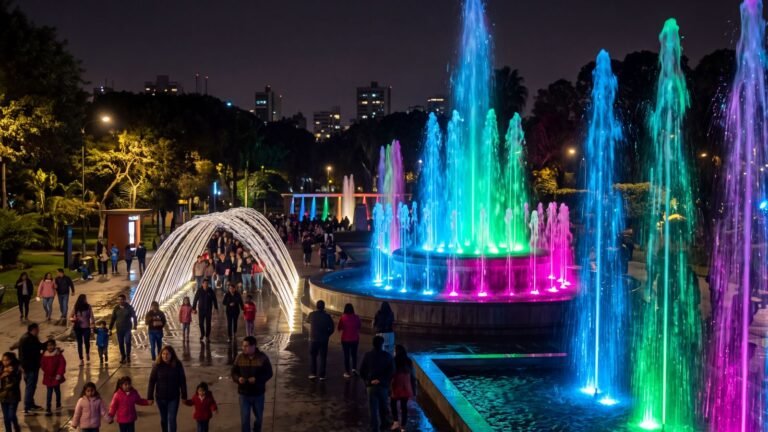
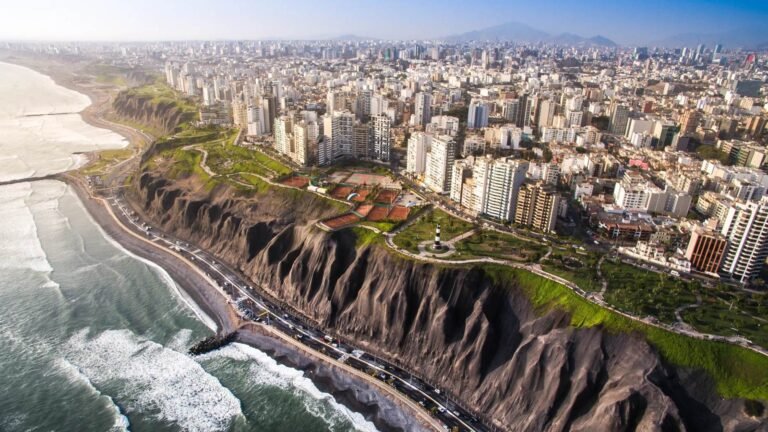
| 1 | Lima | Arrival and a walk along the coast | — |
| 2 | Paracas | Ballestas Islands | Bus from Lima |
| 3 | Ica | Huacachina and the dunes | Short bus ride |
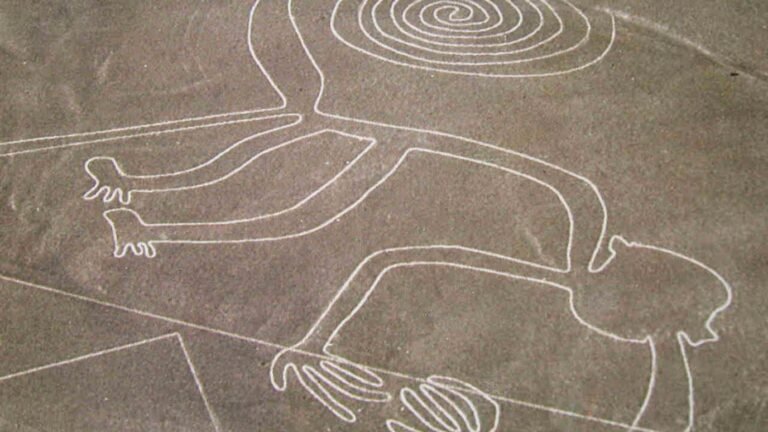
| 4 | Nazca | Nazca Lines | Short bus ride |
| 5 | Arequipa | Historic center and Santa Catalina | Long bus ride or flight |
| 6 | Colca | On the way to the canyon | Bus or car |
| 7 | Puno | Cruz del Condor and transfer | Tourist bus |
| 8 | Puno | Rest and acclimatization | — |
| 9 | Lake Titicaca | Uros and Amantani | Boat |
| 10 | Taquile | Taquile and return to Puno | Boat |
| 11 | Cusco | Arrival and rest | Tourist bus or flight |
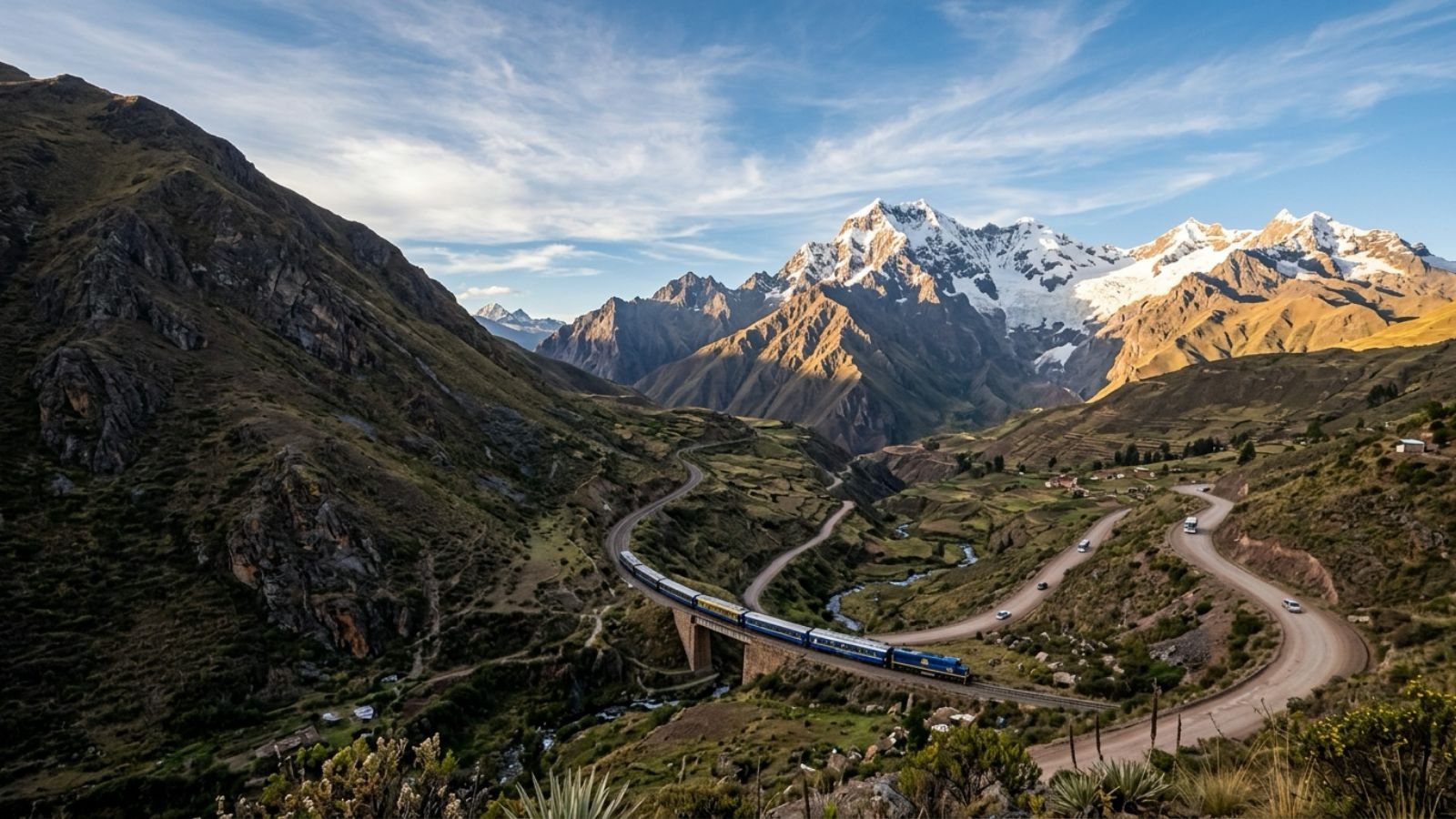
| 12 | Sacred Valley | Pisac, Ollantaytambo and train | Car and train |
| 13 | Machu Picchu | Citadel and return to Cusco | Train |
| 14 | Cusco | Departure flight | Plane |
Days 1 to 4: the south coast
You start in Lima and head south. On day 2 you visit Paracas, a marine reserve where boats reach the Ballestas Islands. Sea lions and many birds live there. Our Ballestas Islands by Boat excursion costs from $79.

Day 3 is for Ica and Huacachina, an oasis ringed by dunes. You can ride a dune buggy and try sandboarding. The Ica and Huacachina route starts from $109. Then, on day 4, you reach Nazca.
The Nazca Lines have been a World Heritage Site since 1994. To see them from the air, book the Nazca Lines Overflight, from $159. The Nazca Lines by Land tour, on the other hand, starts from $59.

Days 5 to 7: Arequipa and Colca Canyon
The trip from Nazca to Arequipa is long. There are night buses, and you can also fly from Lima, although that changes the route. So confirm schedules and the company before you book.
In Arequipa, walk through the historic center, a World Heritage Site since 2000. Also visit the Santa Catalina monastery. The Arequipa City Tour starts from $45.
Then head up to the Colca. The canyon is more than 3,000 m deep, and its most famous viewpoint is the Cruz del Condor. Our Colca Canyon 2 days and 1 night tour starts from $149. If you are short on time, the Colca Canyon Full Day costs from $75.
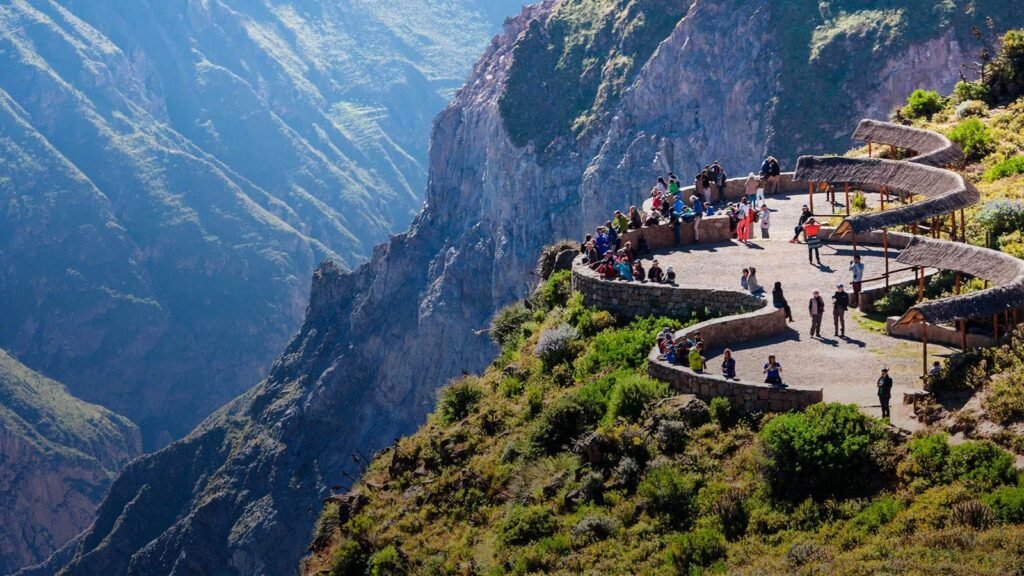
Days 8 to 10: Puno and Lake Titicaca
From the Colca, tourist buses run to Puno. The ride takes a good part of the day, so you arrive tired. That is why day 8 is a rest day. Puno also sits at 3,812 m, and the pause helps you adapt.
Next, spend two days on the islands. First you visit the Uros, the floating reed islands. Then you sleep on Amantani with a local family, and the next day you see Taquile. The Uros, Amantani and Taquile route starts from $89.

Days 11 to 14: Cusco, the Sacred Valley and Machu Picchu
On day 11 you travel from Puno to Cusco by tourist bus or plane. Then rest and stroll the main square. On day 12 you continue to the Sacred Valley and take the train to Aguas Calientes. Our Traditional Sacred Valley tour starts from $30.
On day 13 you climb to Machu Picchu. Our Machu Picchu 2 Days and 1 Night tour starts from $459. To pick a month, read the guide to the best time to visit Machu Picchu. Day 14 is for the return and your departure flight.
Are there packages that cover part of this route?
Yes. If you do not want to arrange the transfers yourself, we have three 8-day packages that cover stretches of this route. You can combine them with single excursions to fill the two weeks.
- Nazca, Cusco and Machu Picchu: 8 days and 7 nights, from $1,490.
- Colca, Titicaca and Machu Picchu: 8 days and 7 nights, from $1,690.
- Machu Picchu and Lake Titicaca: 8 days and 7 nights, from $1,590.
For example, the second option covers the Colca, Titicaca and Machu Picchu in one package. Then you only add the south coast and Lima at the start. However, check what each package includes before you choose.
How much do the excursions on the route cost?
These are the prices of our excursions, and they serve as a reference for your budget. They do not include flights, hotels or the buses between cities.
- Ballestas Islands by boat: from $79.
- Nazca Lines by land: from $59, and the overflight from $159.
- Arequipa City Tour: from $45.
- Colca Canyon 2 days: from $149.
- Uros, Amantani and Taquile: from $89.
- Machu Picchu 2 days and 1 night: from $459.
Added up, these excursions give you an idea of the activity spending. Also, the 8-day packages offer a fixed price per stretch. So comparing both options helps you decide, especially if you travel in a group.
What variations does this two-week route have?
There is no single way to cover the south. Here are three variations depending on what you want.
Jungle variation
If you want to see the Amazon, drop the south coast and head to Cusco sooner. From there you can arrange a route to Manu or Tambopata. For example, Manu Cultural Zone 3 Days starts from $329. That swaps deserts for cloud forest and lowland jungle.
Adventure variation
If you like to hike, replace day 14 with a walking excursion. Rainbow Mountain is a short option, from $35. If you want a bigger challenge, on the other hand, look at the alternative treks to the Inca Trail.
Easy-going variation
If you prefer to go slowly, skip Ica and Nazca. Give those days to Arequipa and the Colca, where the pace is slower. You also cut the night transfers and sleep better.
What should you pack for a route with so many climates?
In two weeks you go from desert to high plateau. For that reason, your luggage should be flexible and light. A medium suitcase and a day pack are usually enough.
- Layered clothing: a T-shirt, a fleece and a windbreaker.
- A hat and light gloves for the nights in Puno and the Colca.
- Sunscreen, sunglasses and a cap for the desert and the altitude.
- Comfortable shoes with good grip for cobblestones and trails.
- A waterproof cover for your backpack on the lake and in the rainy season.
When is the best time for 2 weeks in Peru?
The dry season in the Andes runs from May to September. In those months the sky is clearer in Cusco, Puno and the Colca. However, the nights are very cold, especially on the high plateau, where the temperature can drop below zero.
From December to March it rains more in the mountains. The coast, in contrast, has a steadier climate, and Nazca barely gets any rain. The desert sun is also strong all year, so always protect yourself.
For official information on the lake, visit the official PromPeru portal. You can also see data on the area on the PromPeru page on the Nazca Lines.
How do you look after your health on a route with so much altitude?
This route goes up and down several times. You climb from sea level to more than 4,000 m in the Colca, drop to Arequipa and climb again in Puno. For that reason, listen to your body and do not force the pace.
- Drink water often and skip alcohol in the first days.
- Eat light and take short breaks on walks.
- Sleep well before the highest excursions.
- If you get a strong headache, rest and see a doctor.
For more detail, read our guide on how to acclimatize to the altitude. Some travelers also use coca tea or pills their doctor recommends. Even so, the best medicine is rest.
Tips to make the two weeks work
- Book Machu Picchu and the train first, because spots are limited.
- Do not plan demanding excursions on the day of a long transfer.
- Pack layers, since you go from desert to mountains.
- Keep a spare day before your international flight.
- Always ask what the transfers and meals include.
Remember that bus, train and flight schedules change with the season. For that reason, confirm them with the company before you pay. So if you run short of time, drop the south coast and keep the Arequipa, Colca, Puno and Cusco arc. If you have days to spare, on the other hand, add one more night in the Sacred Valley or an excursion to Vinicunca.
Frequently asked questions
Can you see all of Peru in 2 weeks?
No, but you can see the most important parts of the south: the coast, Arequipa, the Colca, Titicaca and Machu Picchu. The jungle and the north are for another trip.
What is the best route for two weeks in Peru?
A west-to-east route: Lima, Paracas, Nazca, Arequipa, the Colca, Puno and Cusco. That way you gain altitude gradually and cut down on flights.
Should I fly or take the bus between cities?
It depends on the stretch. Tourist buses work well for medium distances, while a plane saves time on very long trips, such as Lima to Cusco.
How much does a 2-week trip to Peru cost?
It varies with hotels, flights and travel style. As a reference, our 8-day packages through the south start from $1,490, not counting international flights.
How many days do I need in each place?
One night is enough in Paracas, Ica and Nazca. Plan two or three in Arequipa and the Colca. For Puno and the lake, plan three. In Cusco and Machu Picchu, at least four.