

 By Equipo PAT
Places to visit in Peru depend on your time, but twelve stops rarely disappoint: Machu Picchu, Cusco, the Sacred Valley, Rainbow Mountain, Lake Titicaca, Colca Canyon, Arequipa, Nazca, Paracas, Huacachina, Lima and the Amazon. In ten days you can see four or five of them. In two weeks, almost all.
What are the best places to visit in Peru on a first trip?
On a first trip, start in the southern Andes. Cusco and Machu Picchu form the classic core of the country. From Cusco you can also reach the Sacred Valley and Rainbow Mountain with ease.
Then add other regions as your days allow. For example, Puno and Lake Titicaca sit a short flight or a one-day bus ride away. Arequipa and the Colca Canyon open the route to the west. The south coast brings Nazca, Paracas and Huacachina, and the jungle ends the trip with a very different Peru.
So treat this guide as a decision map. First you will meet the key places, then a table to compare them, and finally some tips for building your route.
Which 12 places to visit in Peru are worth your time?
These are the twelve stops that carry the most weight when you plan a trip. We grouped them by region so they are easier to combine.
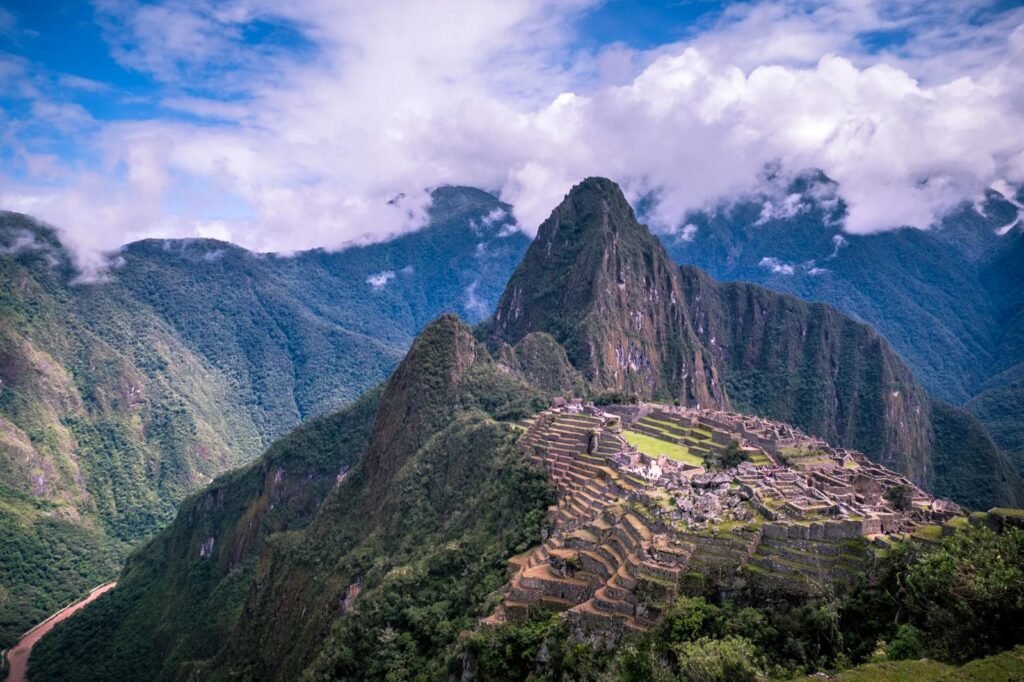
1. Machu Picchu
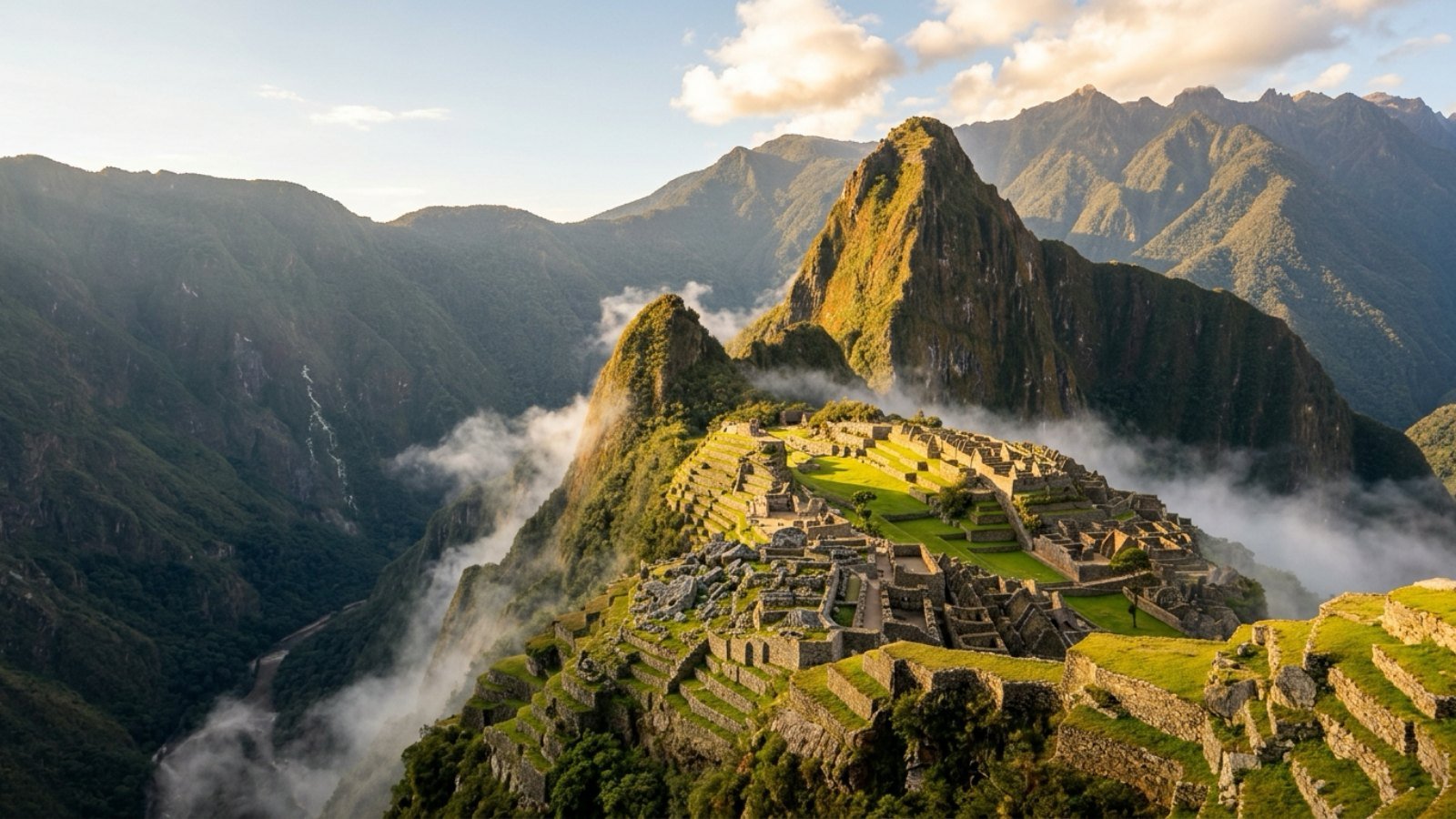
The Inca citadel sits at 2,430 m above the Urubamba valley. Among all the places to visit in Peru, it is the main reason many people fly here. UNESCO has also listed it as a World Heritage Site since 1983.
That is why you should book early. You can arrive by train, by road or on foot. If you want to compare dates, read our guide to the best time to visit Machu Picchu. Our Machu Picchu by Train tour starts from $359.
2. Cusco
Cusco was the capital of the Inca empire, and today it blends Inca walls with colonial churches. It sits at 3,400 m, so plan to rest on your first day. Still, the city is easy to explore on foot.
The Plaza de Armas, Qoricancha and Sacsayhuaman are must-see stops. To organize your days, see our 3-day Cusco itinerary. In addition, the Cusco City Tour costs from $17.
3. The Sacred Valley of the Incas
The Sacred Valley gathers Pisac, Ollantaytambo, Maras and Moray. It sits lower than Cusco, so many travelers sleep there to acclimatize. First you will see farming terraces, and then villages with craft markets.
If you only have one day, follow the route through Pisac, Ollantaytambo, Maras and Moray. You can also book the Traditional Sacred Valley tour, from $30.
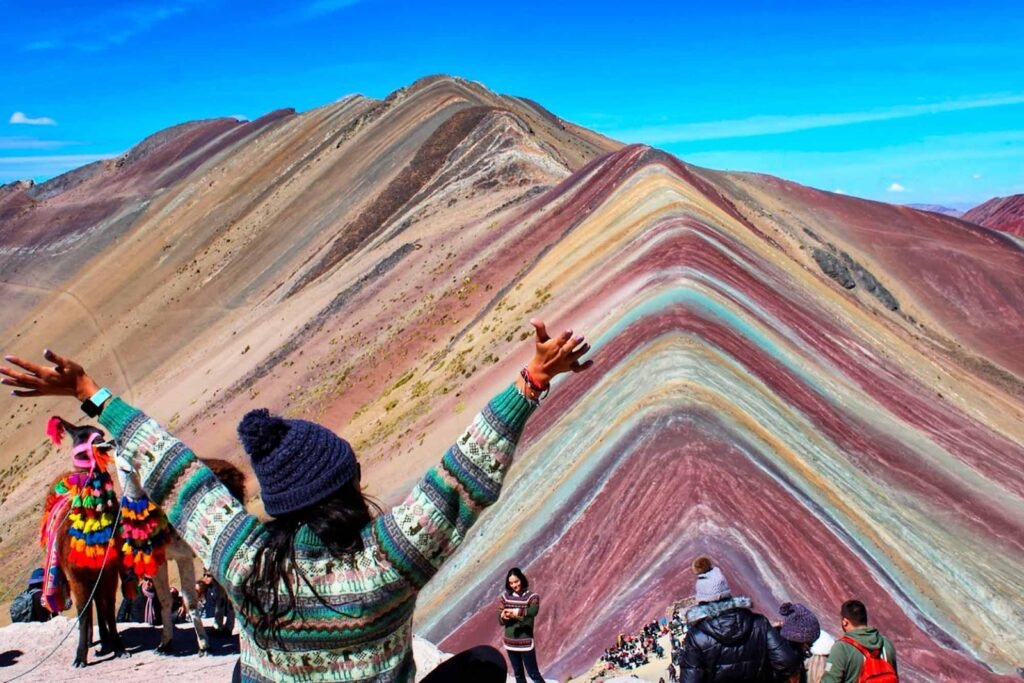
4. Vinicunca, the Rainbow Mountain
Vinicunca reaches 5,200 m, and its colored stripes look best under a clear sky. The altitude makes it a demanding outing, although the difficulty is moderate. For that reason, do it after a few days in Cusco.
Read first how to acclimatize to the altitude. Our Rainbow Mountain Full Day tour starts from $35.
5. Lake Titicaca
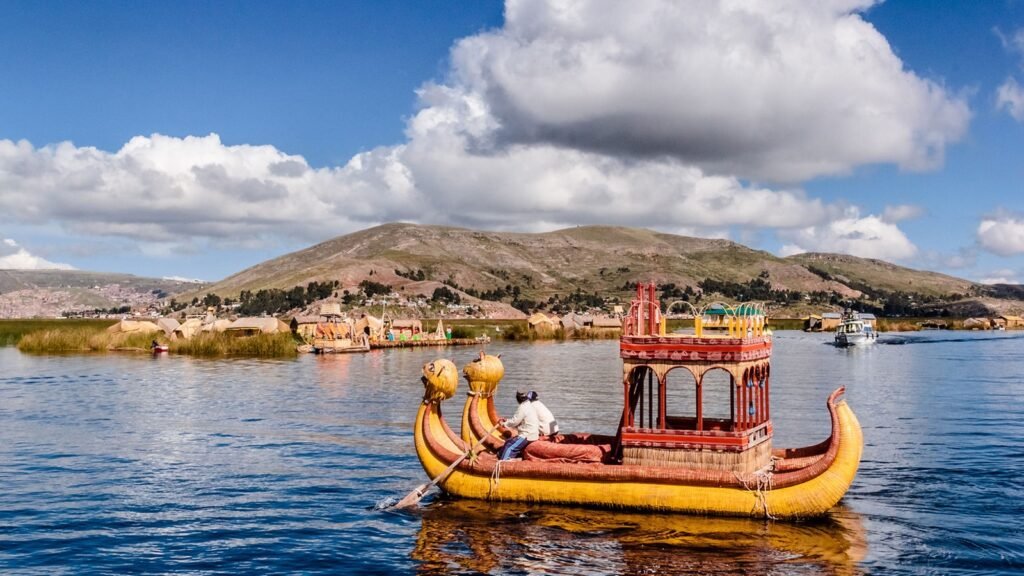
Lake Titicaca sits at 3,812 m and shares a border with Bolivia. Boats leave Puno for the floating Uros islands, Taquile and Amantani. Taquile also keeps a textile art that UNESCO recognizes.
For a short visit, pick the Uros Floating Islands tour, from $39. If you can spend a night, the Uros, Amantani and Taquile route starts from $89.
6. Colca Canyon
The Colca is more than 3,000 m deep, which puts it among the deepest canyons on the planet. Its main attraction is the Cruz del Condor, where you can watch Andean condors in the morning. However, a sighting is never guaranteed.
The Colca Canyon Full Day excursion costs from $75. The 2-day, 1-night version starts from $149 and gives you a calmer pace.
7. Arequipa
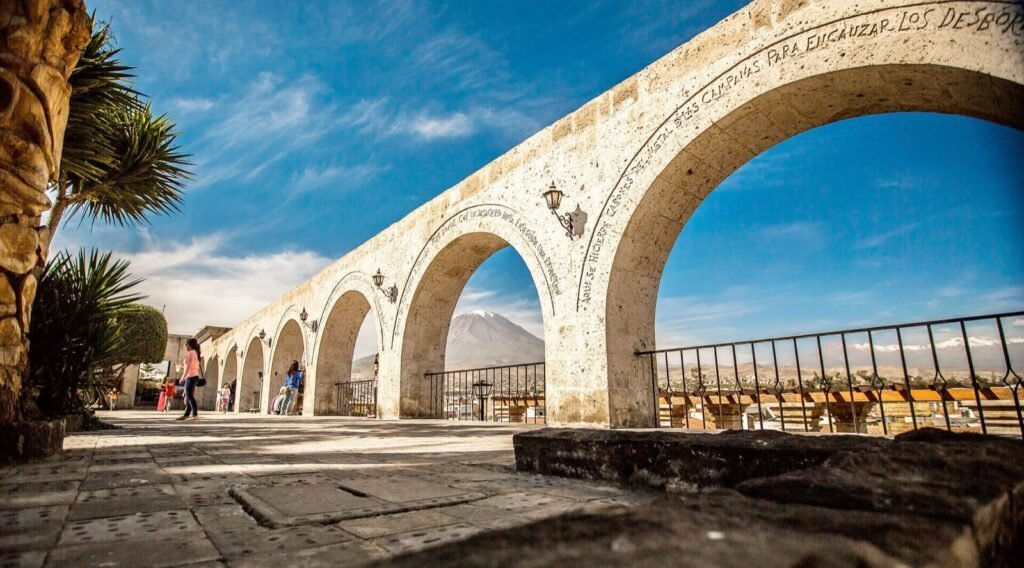
Arequipa is the “White City” because of its volcanic stone, called sillar. Its historic center has been a World Heritage Site since 2000. Also, the Misti volcano dominates the skyline, and the weather is usually sunny.
Santa Catalina convent is the star visit. Our Arequipa City Tour starts from $45.
8. The Nazca Lines
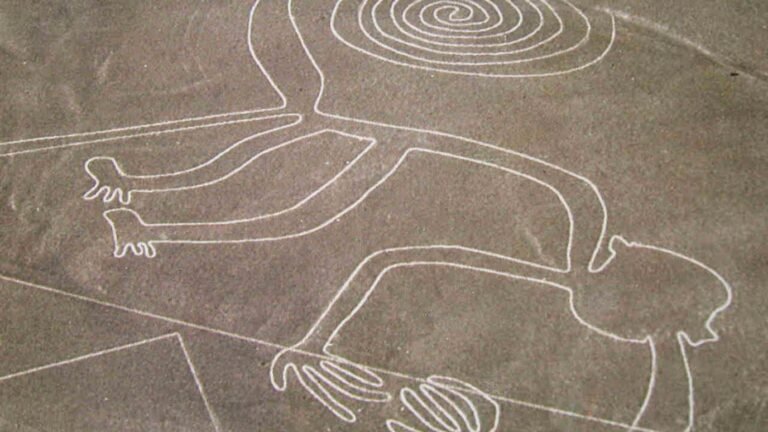
The Nazca Lines are huge figures drawn in the desert. UNESCO declared them a World Heritage Site in 1994. They look best from the air, although viewing towers on the ground also exist.
If you prefer to skip the plane, see the Nazca Lines by Land tour, from $59. The Nazca Lines Overflight starts from $159.
9. Paracas and the Ballestas Islands
Paracas is a marine reserve on the coast. Boats leave its pier for the Ballestas Islands, home to sea lions, pelicans and Humboldt penguins. On the other hand, the bus ride from Lima takes several hours.
Our Ballestas Islands by Boat excursion costs from $79.
10. Huacachina, a desert stop for your list of places to visit in Peru
Huacachina is an oasis ringed by dunes, near Ica. There you can ride a dune buggy and try sandboarding. The dunes also offer great sunsets.
The 2-day, 1-night Ica and Huacachina route starts from $109.
11. Lima
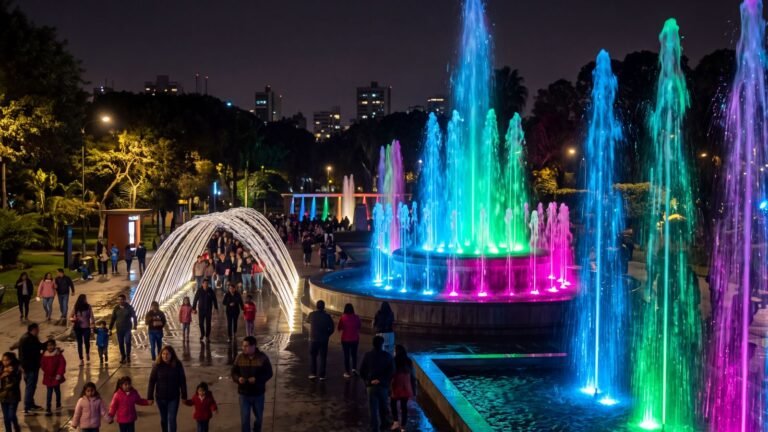
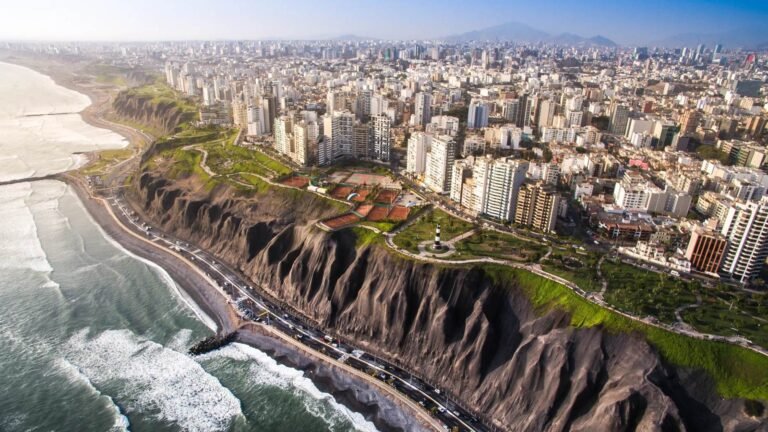
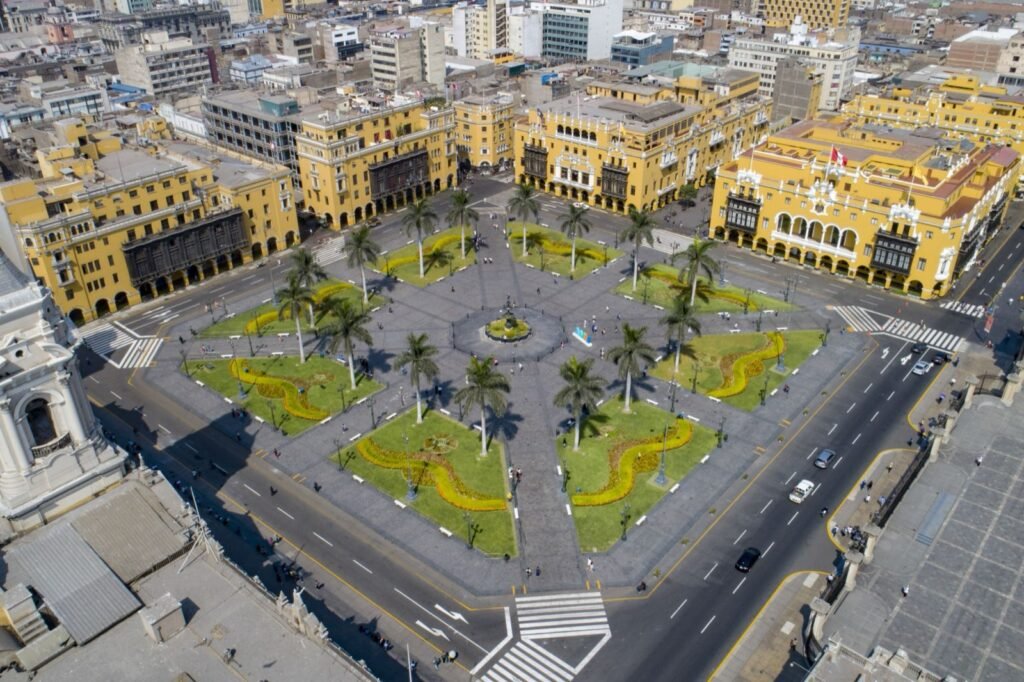
Lima is the capital and the entry point for almost every international flight. Its historic center has been a World Heritage Site since 1988. Still, the city stands out above all for its food.
If you spend a day between flights, the Lima City Tour starts from $45.
12. The Amazon: Manu and Tambopata
The southern rainforest holds two great reserves. Manu stands out for its biodiversity and its access from Cusco. Tambopata, near Puerto Maldonado, is famous for its macaw clay licks.
You can choose Manu Cultural Zone 3 Days, from $329, or Tambopata 3 Days, from $449. For official data, visit the PromPeru page on Tambopata.
How do the places compare at a glance?
This table helps you decide between the places to visit in Peru. Prices match our cheapest tour in each place.
| Place | Region | Altitude | Best for | From |
|---|---|---|---|---|
| Machu Picchu | Cusco | 2,430 m | Inca history | $359 |
| Vinicunca | Cusco | 5,200 m | Scenery and hiking | $35 |
| Lake Titicaca | Puno | 3,812 m | Living culture | $39 |
| Colca Canyon | Arequipa | 4,710 m | Nature and condors | $75 |
| Nazca Lines | Ica | Sea level | Mystery and archaeology | $59 |
| Ballestas Islands | Ica | Sea level | Marine wildlife | $79 |
| Tambopata | Madre de Dios | 500 m | Jungle and birds | $449 |
Which route suits your travel style?
Not every traveler wants the same thing. For that reason, choose by interest and not only by fame.
- History and archaeology: Cusco, Machu Picchu, the Sacred Valley and Nazca.
- Nature and adventure: Vinicunca, the Colca and the Amazon.
- Living culture: Lake Titicaca, with its island communities.
- Beach and desert: Paracas, the Ballestas and Huacachina.
- City life and food: Lima and Arequipa.
For example, if you travel with kids, skip places above 4,500 m. If you love hiking, on the other hand, Vinicunca and the multi-day treks make a solid bet. For more ideas on foot, read about the alternative treks to the Inca Trail.
How do you get between the places?
Peru is a big country, and travel times weigh on your itinerary. Between Lima and Cusco you fly, because the bus takes more than a day. Next, from Cusco to Puno you can fly or take a tourist bus on a full-day ride.
The south coast works best by land. That way, Paracas, Ica and Nazca fall on one route from Lima. Arequipa and the Colca, however, usually connect by air from Lima or Cusco. The jungle is reached by plane from Cusco or Lima, and only rarely by road.
Exact times change with the season and the transport company. So confirm schedules when you book. Also leave a buffer between a flight and an excursion, because weather or traffic can delay you.
How many days do you need for the best places to visit in Peru?
One week works for Cusco and Machu Picchu alone. Ten days let you add Lima and the Sacred Valley. With two weeks, on the other hand, you can add Puno, Arequipa or the south coast.
Also keep transfer times in mind. Between regions you fly, and each flight eats almost half a day. For that reason, it is better not to try to see everything in one trip.
If you want a ready-made route, look at the Lima, Cusco and Machu Picchu package, from $890. There is also a Machu Picchu and Lake Titicaca option, from $1,590.
When is the best time to travel?
The dry season in the Andes runs from May to September, with clear skies and cold nights. From December to March it rains more, but the landscape is greener. The coast, in contrast, follows its own rhythm, and the jungle stays humid all year.
For official planning data, check the official PromPeru portal. You can also find citadel information on the official Machu Picchu website.
Budget matters too. One-day excursions are the cheapest way to try a place. Multi-day packages, in contrast, include transfers and lodging, so they simplify the logistics. For that reason many travelers combine both: a package for the main axis and single excursions to fill the gaps.
Also book early if you travel between June and August. That is high season in the Andes, and Machu Picchu tickets and trains sell out sooner. Outside those months, however, you usually have more room to decide.
Tips before you pick your route
- First decide how many days you have, and then choose the regions.
- Sleep in Cusco or the Sacred Valley before any high-altitude excursion.
- Book Machu Picchu early, especially in the dry season.
- Pack layers, since the weather changes within the same day.
- Always ask what each excursion includes before you book.
So, if you are unsure where to begin, start with Cusco and Machu Picchu. Then add a second stop based on what draws you most: lake, canyon, desert or jungle.
Frequently asked questions
What are the most important places to visit in Peru?
Machu Picchu, Cusco, the Sacred Valley, Lake Titicaca, Colca Canyon, Arequipa, Nazca and the Amazon are the most visited. On a first trip, Cusco and Machu Picchu are the base.
How many days do I need to see Peru?
Seven days cover Cusco and Machu Picchu. Ten days let you add Lima and the Sacred Valley. Two weeks make room for Puno, Arequipa or the south coast.
What is the best time to travel to Peru?
In the Andes, May to September brings less rain and clearer skies. From December to March it rains more, but the landscape looks greener.
Is the altitude in Peru a problem?
Cusco sits at 3,400 m and Puno at 3,812 m, so you may feel it. Rest on your first day, drink water and avoid hard effort when you arrive.
How much do tours in Peru cost?
Our one-day excursions start from $17 and multi-day packages from $359. The price depends on the destination, the length and what each route includes.